



































The pre-soak cycle is one of those washing-machine buttons people notice exactly once, right before ignoring it forever.
It sounds aggressive, like something meant for mechanics’ coveralls or hospital scrubs. Most of us default to a normal cycle and hope for the best. And most of the time, that works…until a shirt comes out technically clean but still holding onto a stain
That’s where pre-soak quietly earns its keep.
What Is the Pre-Soak Cycle On a Washing Machine?
The pre-soak cycle lets clothes sit in water and detergent before the main wash begins.
Instead of immediately agitating and draining, the machine fills with water, mixes in detergent, and pauses. During that pause, water penetrates fabric fibers and detergent starts loosening oils, sweat, and grime before friction enters the picture. This usually adds 15-20 minutes to your standard washing cycle.
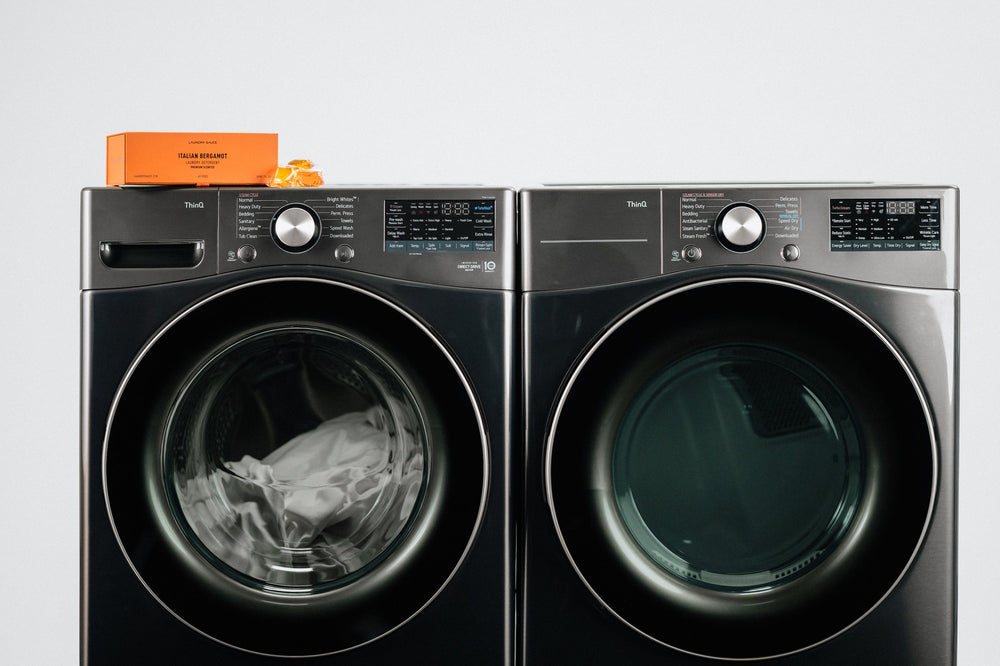
Some machines label this as “Pre-Soak.” Others bake it into heavy-duty or sanitize cycles. The goal is the same: Give stains a head start before the real work begins.
No matter what your care tag says, these must-haves keep your clothes looking and smelling their best—minus the guesswork.
When Should You Use the Pre-Soak Cycle?
Use the pre-soak cycle when your clothes are visibly dirty or deeply soiled. We’re talking mud, grease, ground-in sweat, sunscreen residue, and deodorant buildup. It’s especially useful for fabrics that trap oils, like workout clothes, towels, and bedding.
The pre-soak cycle also helps when odor lingers after washing. That gym-bag smell that survives a normal cycle usually isn’t surface-level. It’s embedded in fibers. Letting detergent sit and do its thing before agitation gives enzymes time to break down what’s causing the problem.
In short, if you’ve washed something once and thought that should’ve worked, pre-soak is your next move.
When You Should Skip the Pre-Soak
More washing is not always better washing.
Delicate fabrics like silk, wool, and lace don’t benefit from prolonged soaking. Neither do structured garments where shape matters. Extended water exposure can weaken fibers, stretch elastic, and cause dyes to bleed. If the care label says cold wash, gentle cycle, or do not soak, take it seriously.
And for lightly worn clothes (office shirts, denim, sweaters) a pre-soak is unnecessary. Regular washing does the job just fine. Overusing pre-soak is how clothes wear out early while you congratulate yourself for being thorough.
Does the Pre-Soak Cycle Help Remove Stains?
Yes, but not magically.
Pre-soak cycles work best on organic stains: sweat, food, dirt, and body oils. It gives your laundry detergent more time to dissolve and loosen them before mechanical action starts. That’s especially helpful for stains that have dried or been heat-set once already.
What it won’t do is reverse physics. Ink, dye transfer, or bleach damage won’t be fixed by soaking longer. Pre-soak helps detergent work smarter—it doesn’t rewrite history.
Do You Add Laundry Detergent During Pre-Soak?
Yes. Always.
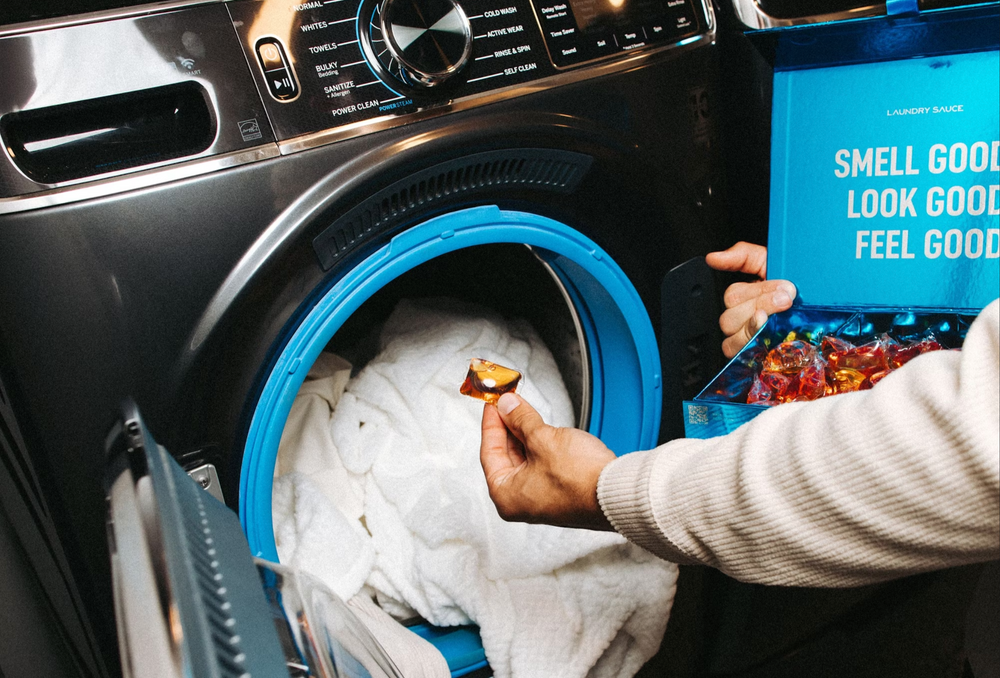
A pre-soak cycle without detergent is just a bath. It may loosen surface dirt, but it won’t break down oils or odor-causing residue. If your machine automatically releases detergent at the start of the cycle, you’re covered. If not, make sure your detergent is in the drum before pressing “start.”
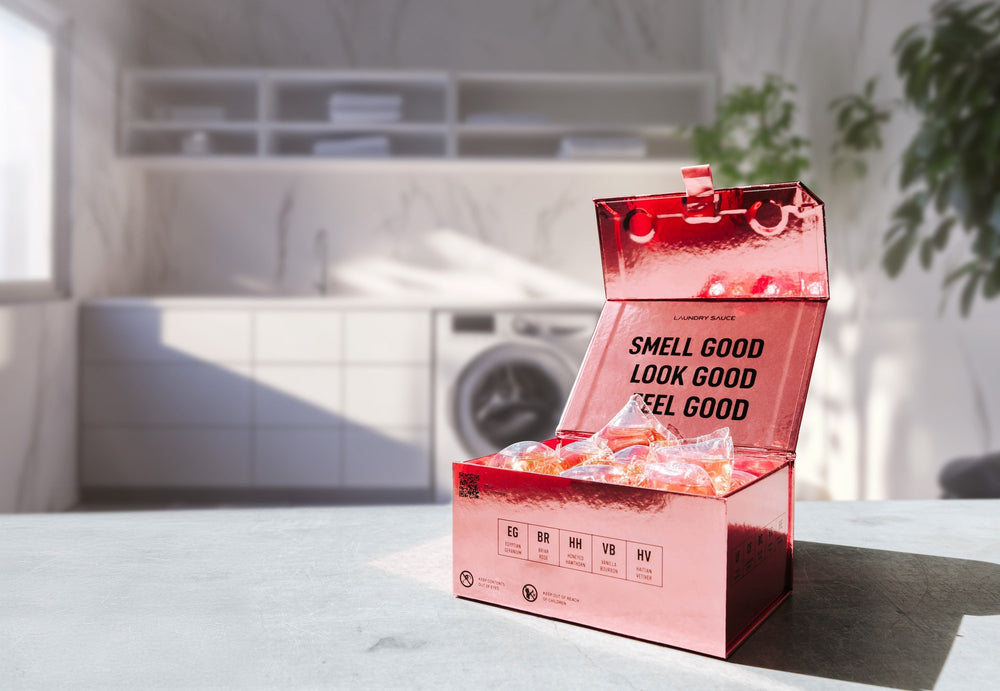
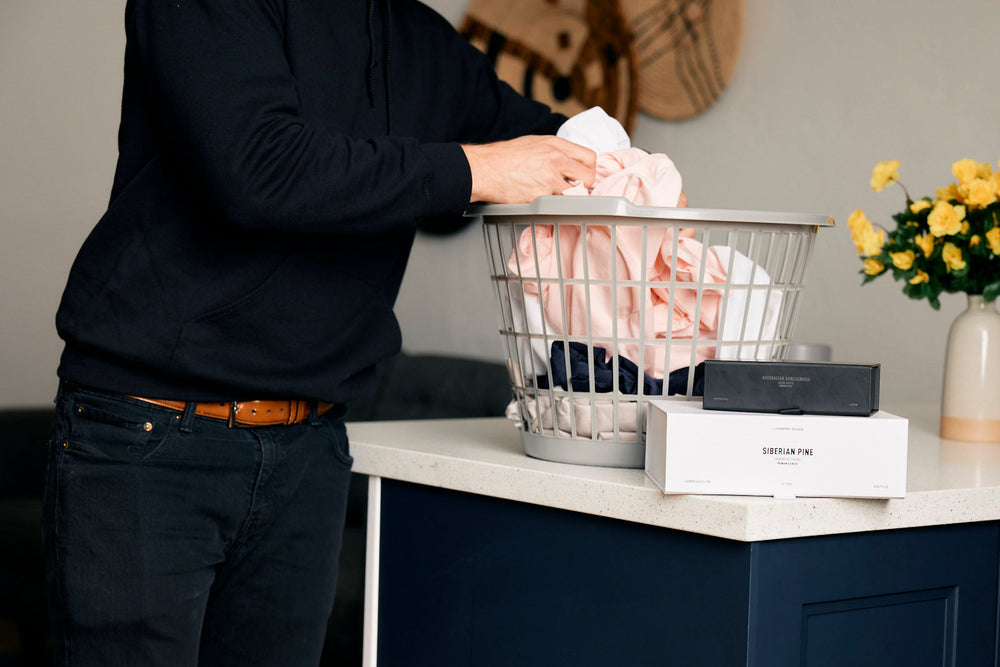
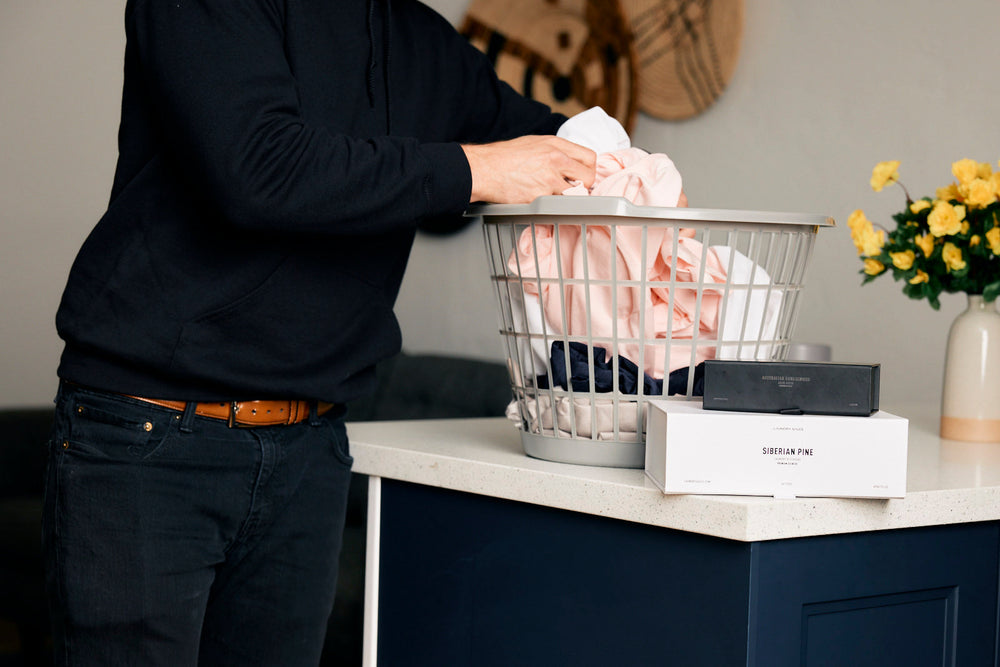
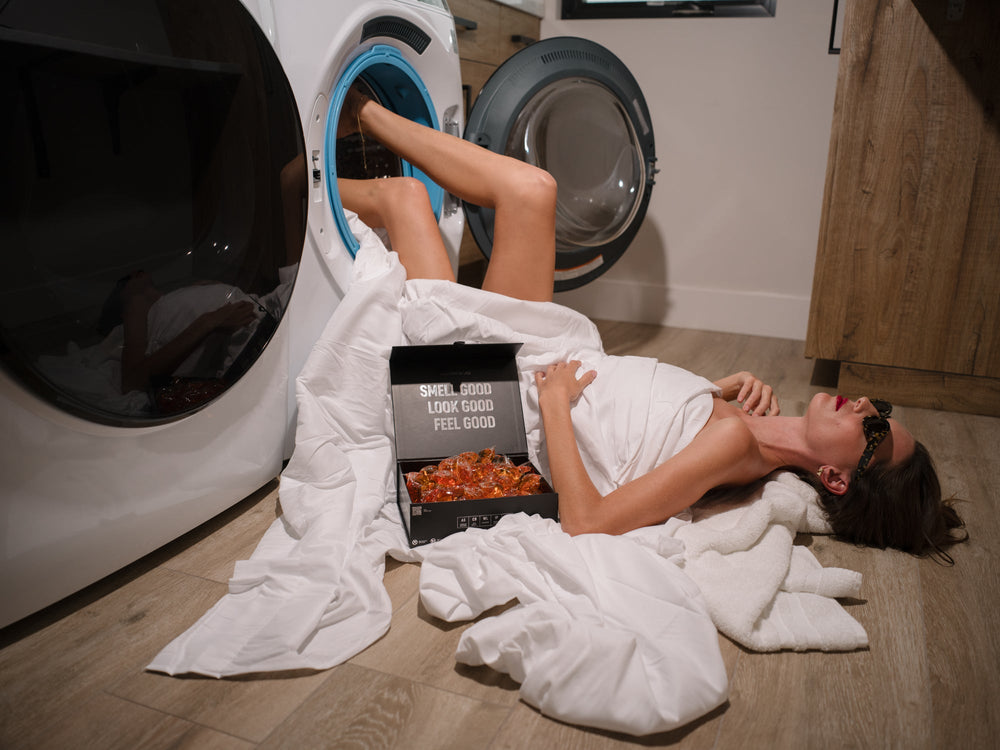
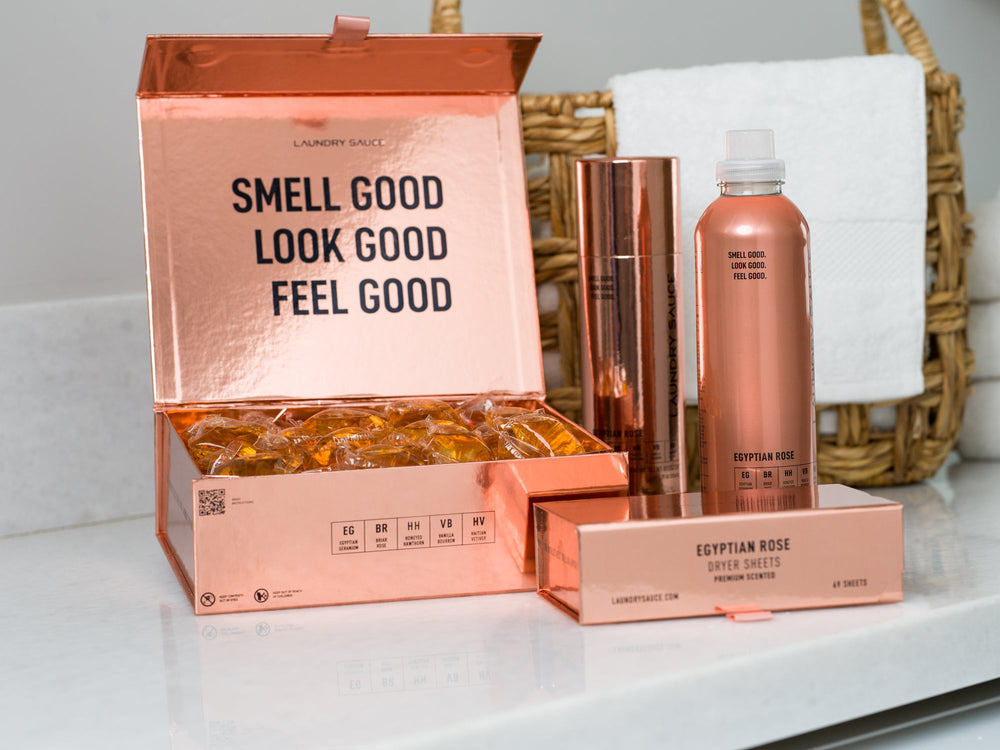
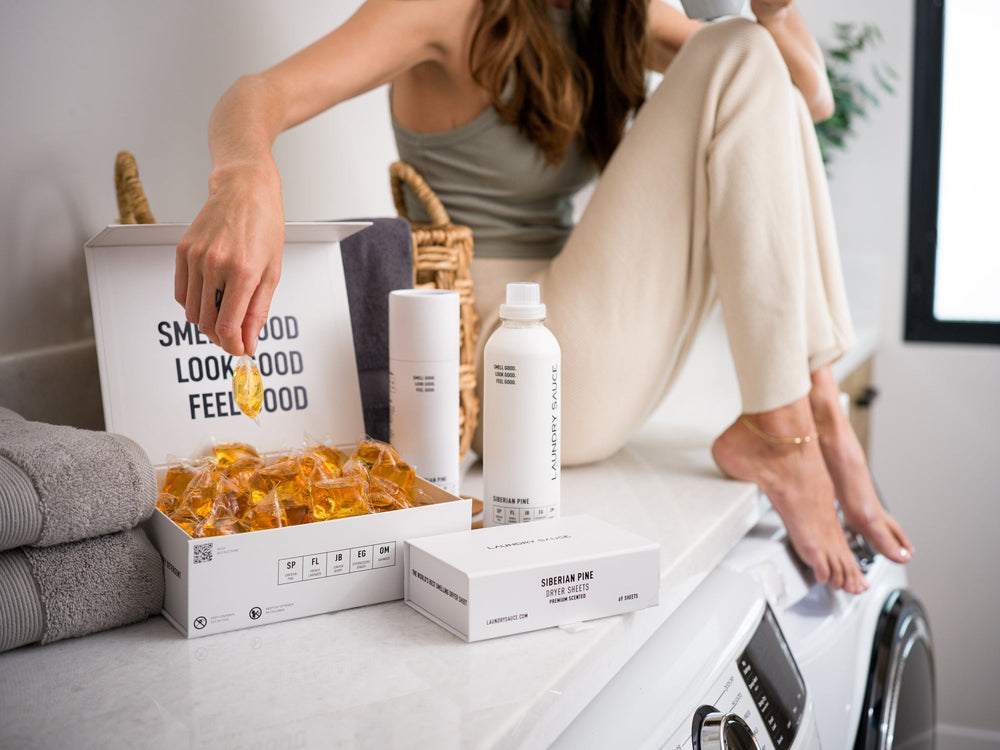
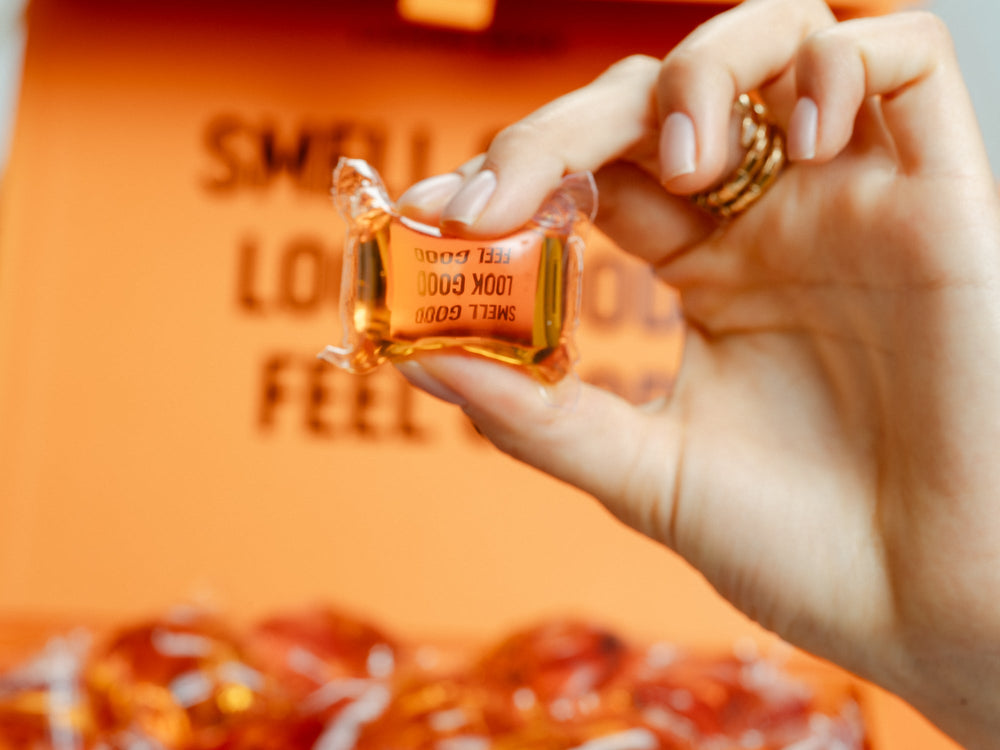
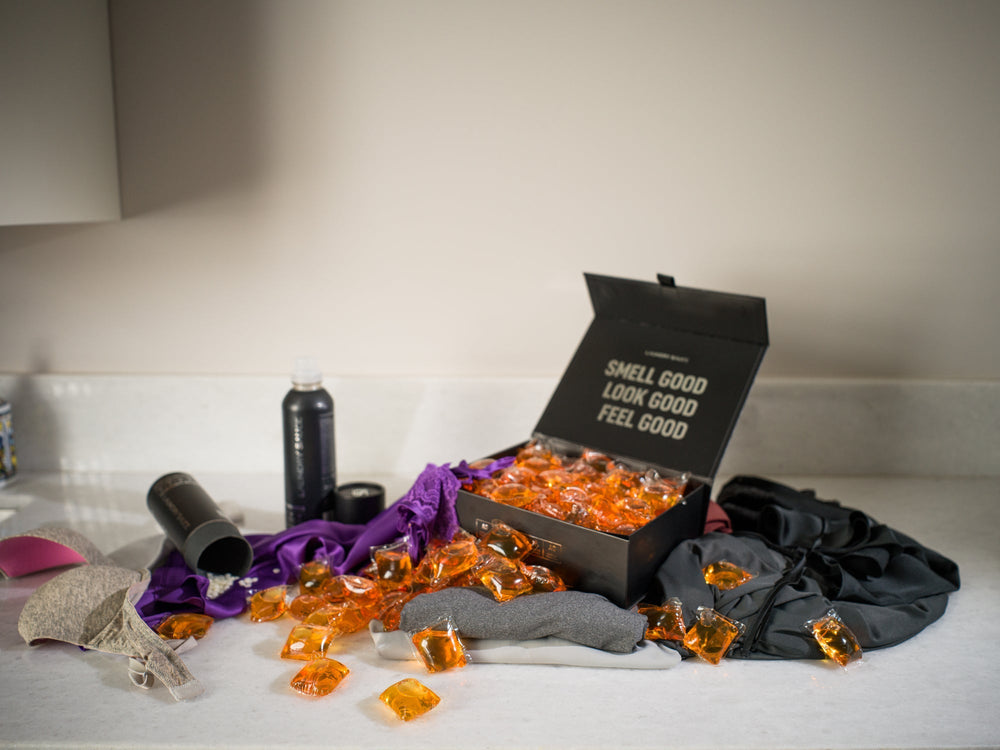
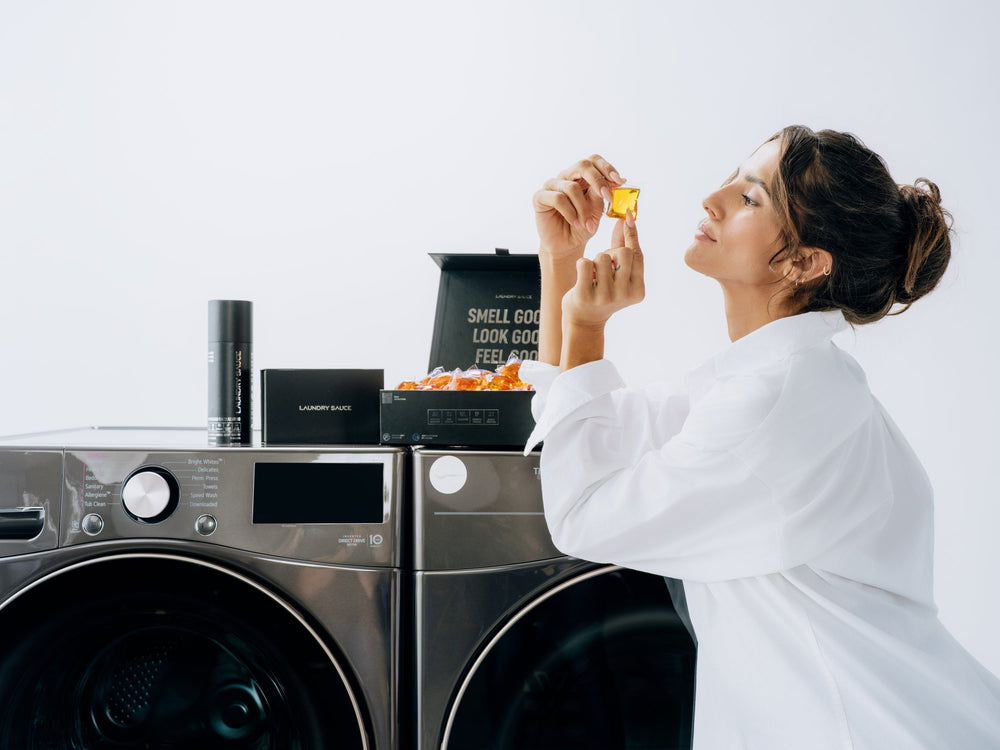
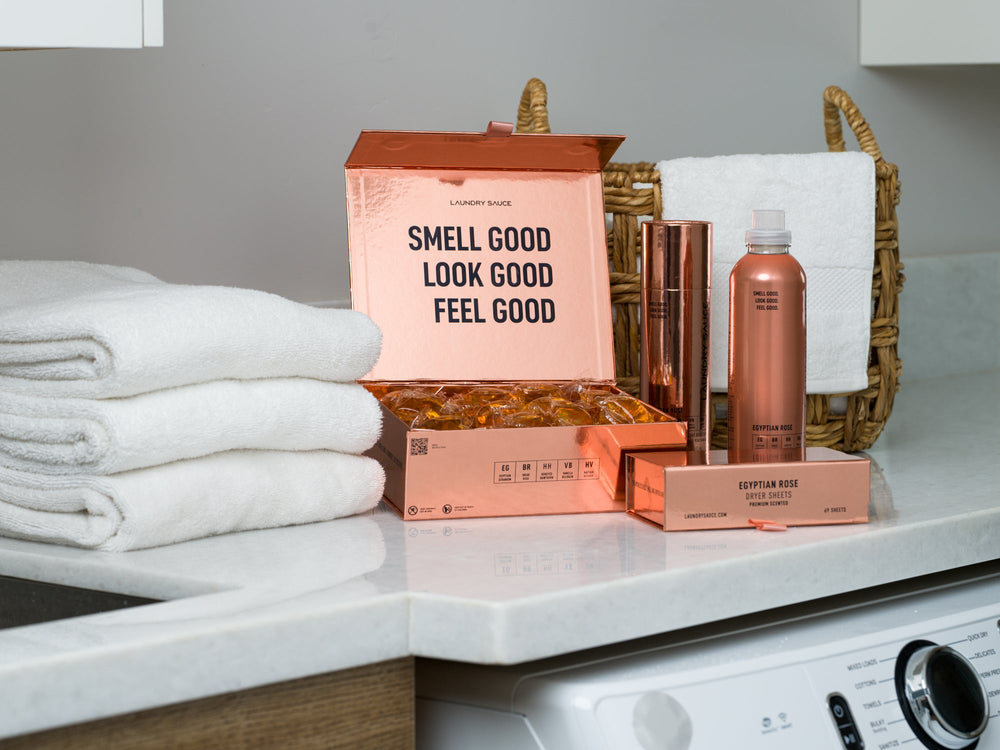
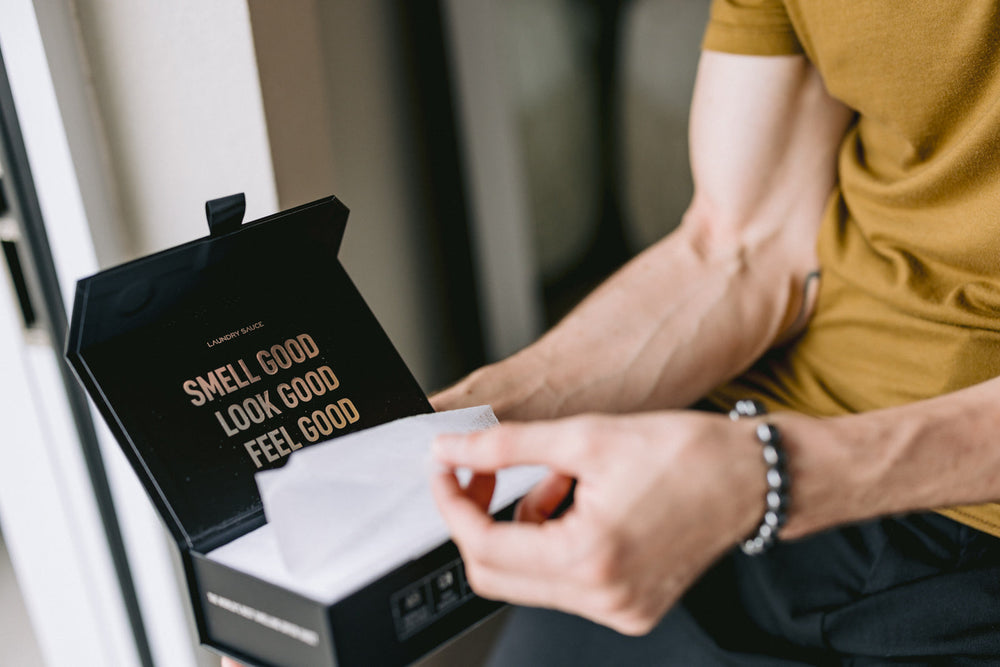
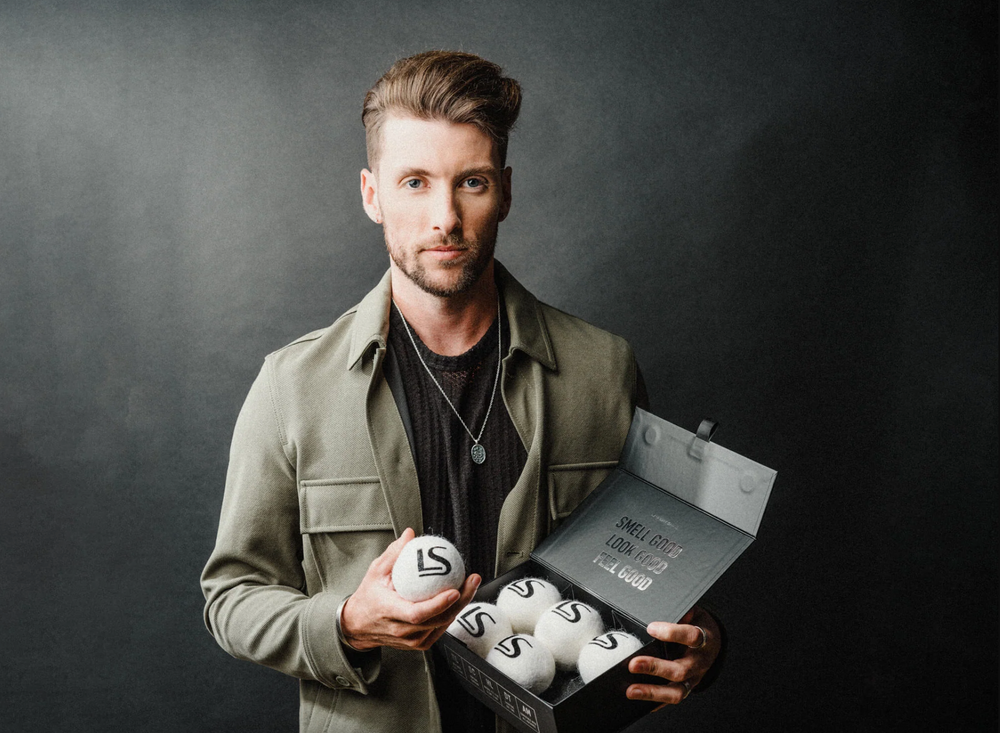
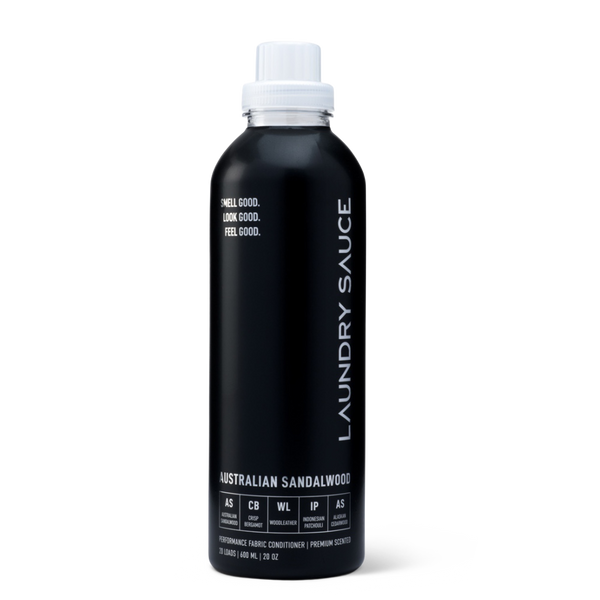
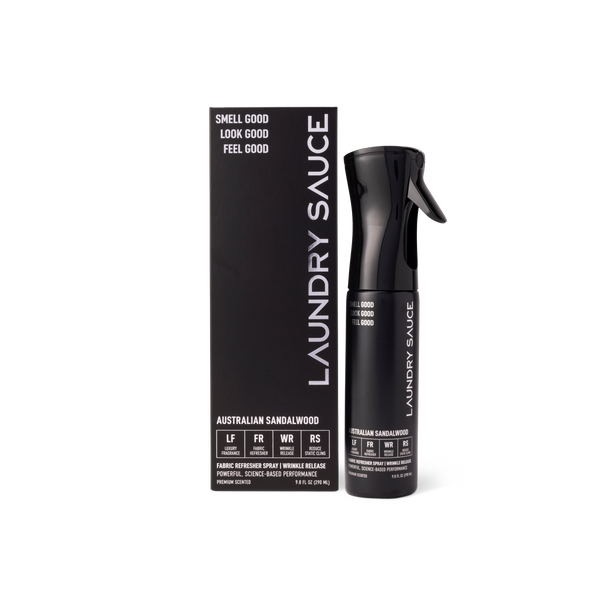
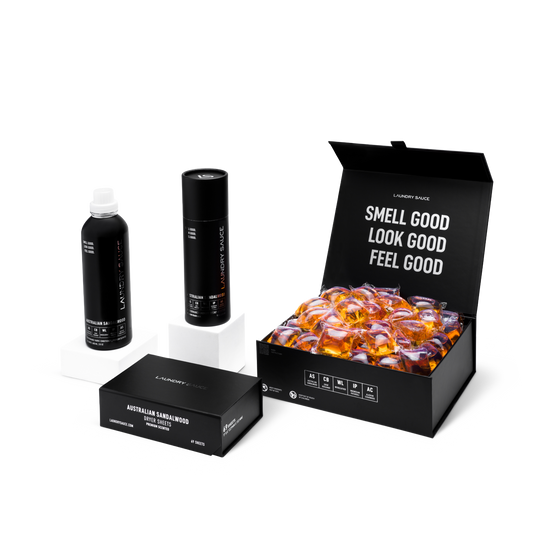
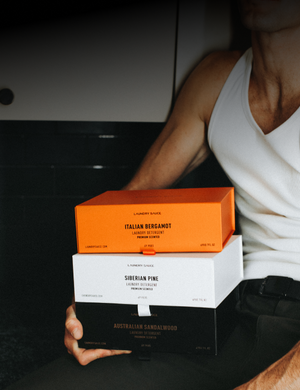
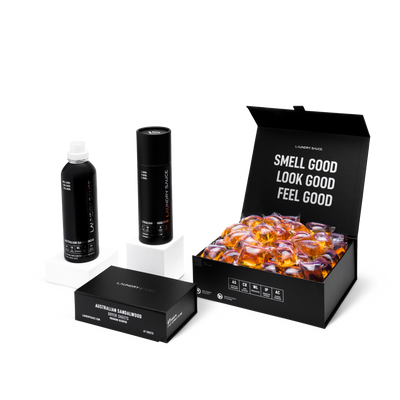
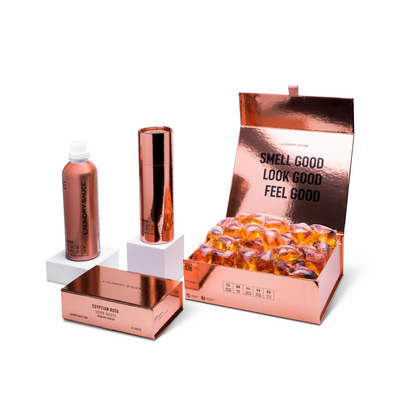
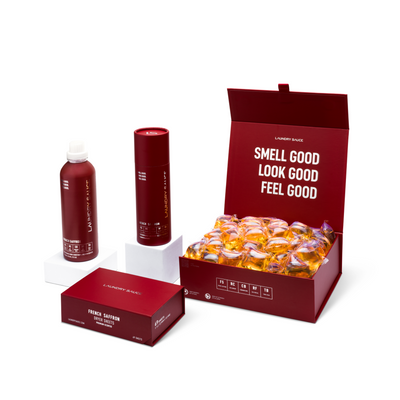
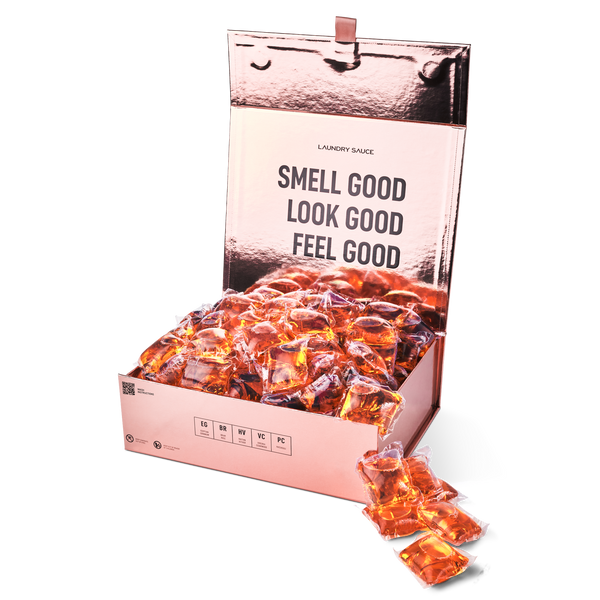
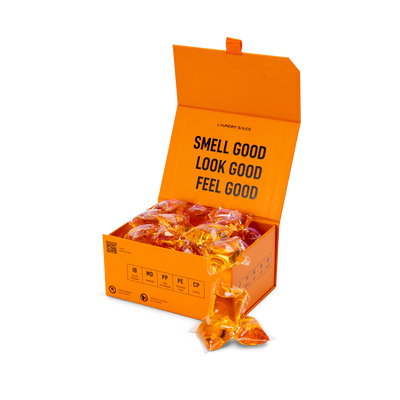
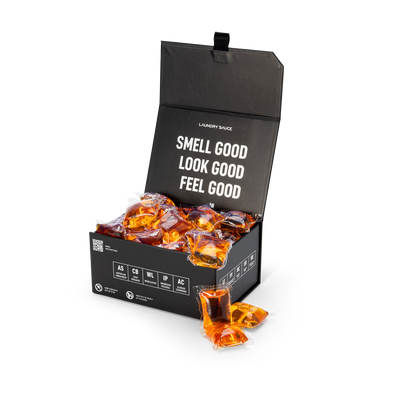
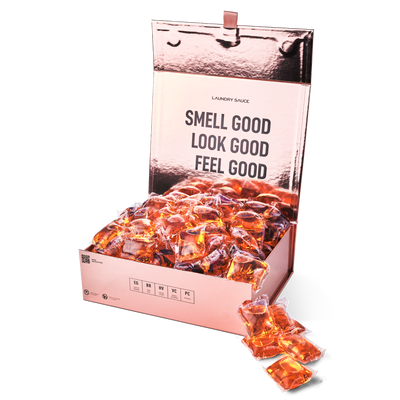
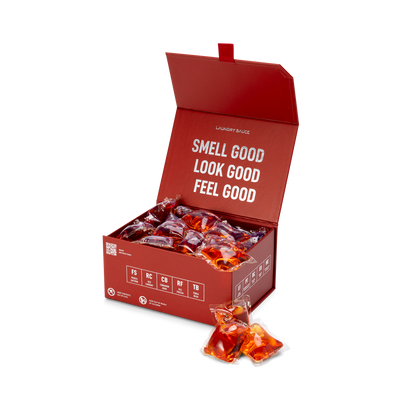
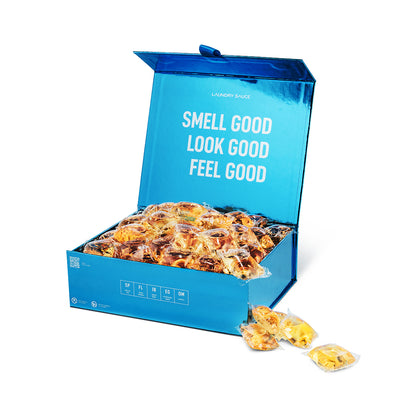
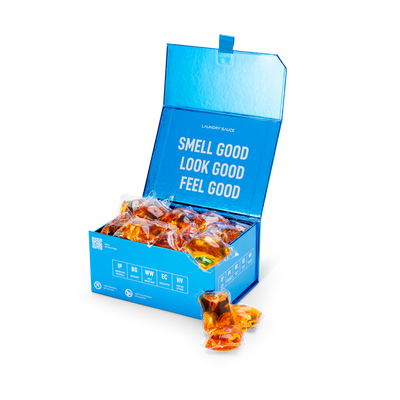
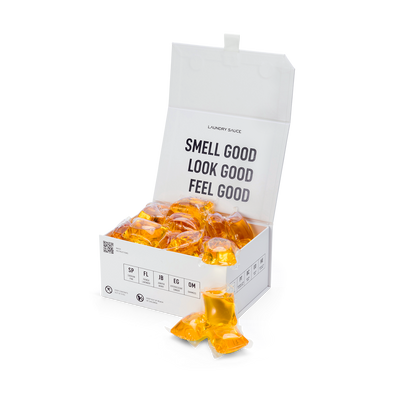
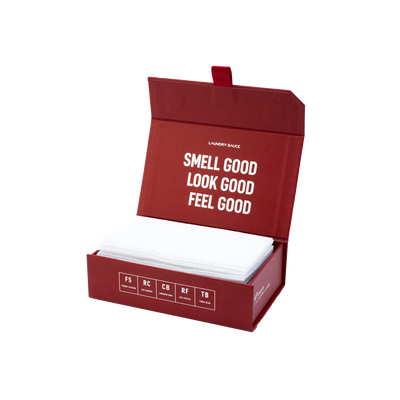
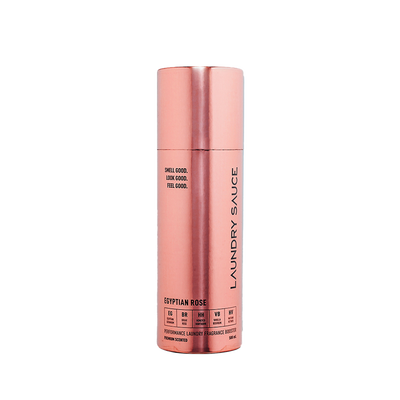
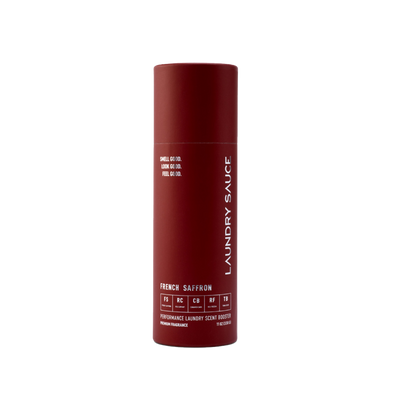
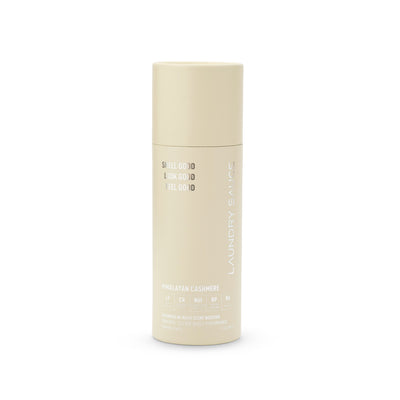
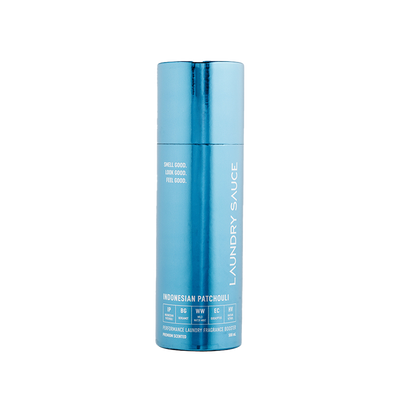
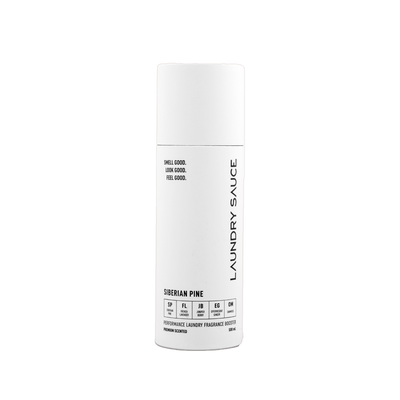
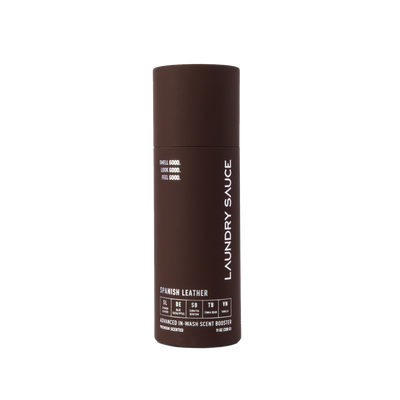
Laundry Sauce pods make this easy. Just toss them in with the clothes and let the machine handle the timing.
Laundry Sauce Is Built for Every Cycle
Clean, better-smelling clothes don’t come from using every setting. They come from using the right ones, paired with a detergent that knows how to behave in each phase of the wash.
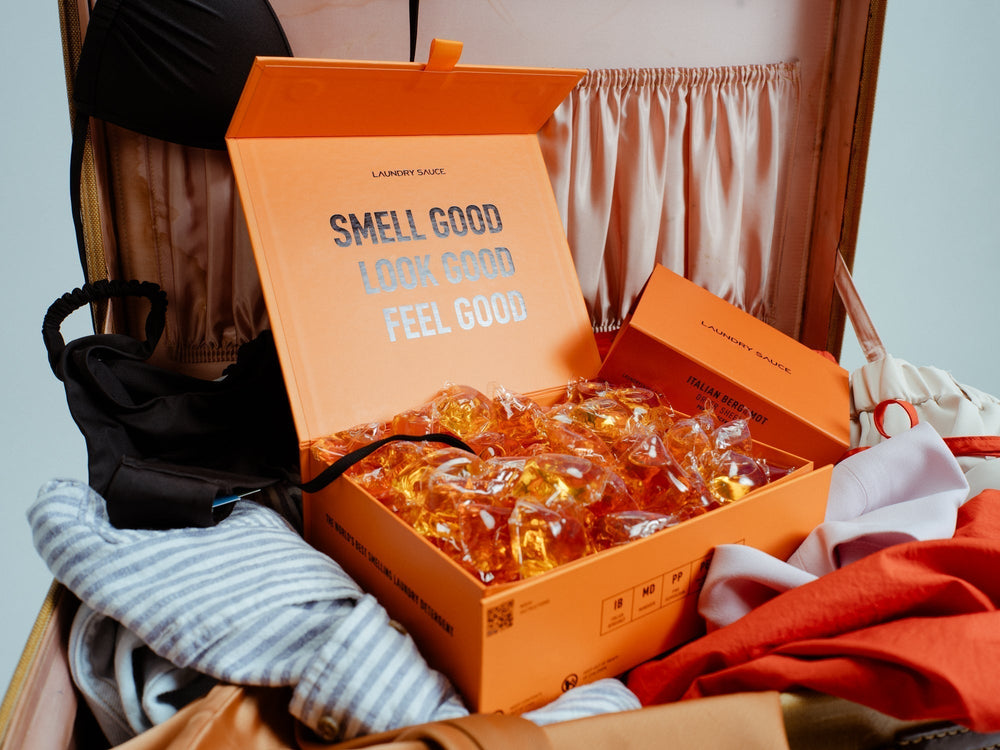
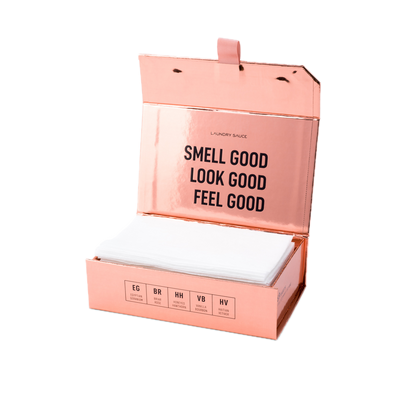
Our laundry pods are designed to perform whether you’re running a quick cycle, a heavy-duty wash, or letting clothes sit during a pre-soak. They dissolve evenly, tackle stains at the source, and infuse your wardrobe with elevated fragrances normally reserved for perfumes and colognes.
Use the cycle that fits the problem. Let the detergent handle the rest.