




 Shop All










Fabric softener seems simple enough. Pour some in, your clothes come out softer, and everyone moves on with their day.
Except that's not how most people use it.
A lot of people add too much, pour it directly onto clothes, or use it on fabrics that were never meant to come anywhere near it. The result is buildup, reduced absorbency, and performance fabrics that suddenly stop performing.
In this guide, we'll cover exactly how to use fabric softener, when to skip it, and how to get the best results every laundry day.
How to Use Fabric Softener
The exact process depends on your washing machine, but one rule never changes: Fabric softener belongs in the rinse cycle, not the wash cycle.
Here's how to do it.
Step 1: Measure the Right Amount
More fabric softener doesn't equal softer clothes. Using too much can leave behind residue that makes fabrics feel heavy and reduces absorbency over time.
1-2 tablespoons is a reasonable amount for a standard load of laundry. For smaller loads, half a tablespoon is plenty.
For front-loading machines, pour the desired amount of fabric softener into the dispenser tray prior to the wash cycle.
For regular top-loading machines, pour the desired amount of fabric conditioner into the machine's dispenser before the wash cycle.
Step 2: Add Fabric Softener to the Right Place
Where fabric softener goes depends on your machine.
- Front load washers: Look for the compartment marked with a flower symbol or labeled "fabric softener." Measure your fabric softener, pour it into the dispenser, and let the machine do the rest. It automatically releases the softener during the rinse cycle.
- Top-Load Washers with a Dispenser: Many top-load washers have a dispenser built into the center agitator or a dedicated compartment near the detergent tray. Pour the measured amount into the dispenser before starting your load.
- Washers Without a Fabric Softener Dispenser: Run your normal wash cycle, then add the measured fabric softener once the rinse cycle begins and the drum has filled with water.
Never pour fabric softener directly onto dry clothes. It isn't designed to be used that way and can leave behind stains or concentrated residue.
Step 3: Let the Rinse Cycle Do the Work
There's a reason fabric softener is added at the end of the wash instead of the beginning.
During the rinse cycle, your clothes are already clean. That gives the fabric softener an opportunity to evenly coat the fibers instead of getting washed away alongside detergent.
The result is softer fabrics, less static, and fewer wrinkles without messing up your detergent's cleaning power.
No matter what your care tag says, these must-haves keep your clothes looking and smelling their best—minus the guesswork.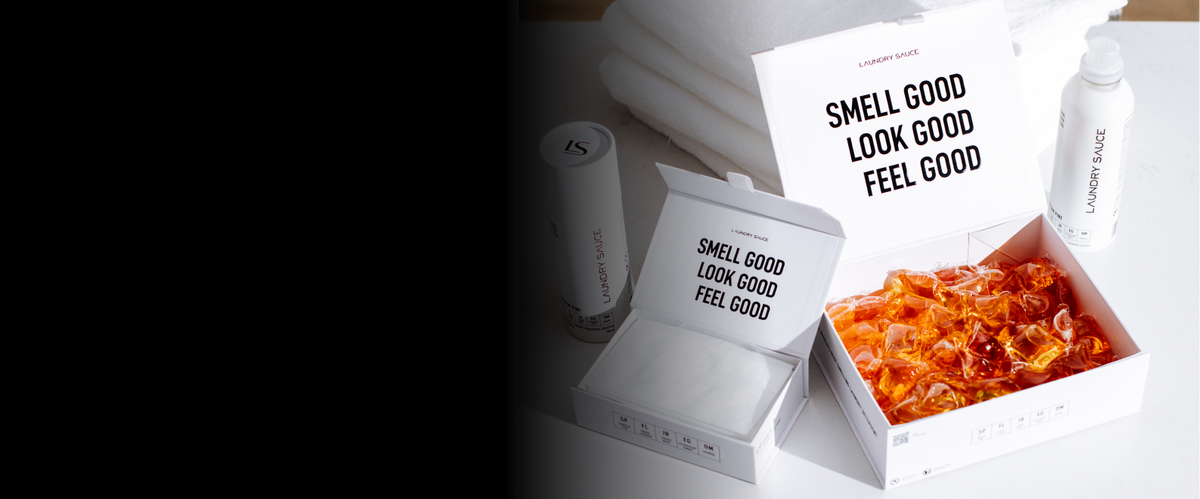
Should You Use Fabric Softener on Every Load?
Not necessarily. Fabric softener works best on everyday fabrics that benefit from a little extra softness.
Ideal candidates include:
- Cotton T-shirts
- Jeans
- Sheets
- Bedding
- Sweatshirts
- Casual clothing
Fabrics You Shouldn't Wash with Fabric Softener
Fabric softener works by coating fibers. That's great for comfort, but not every fabric benefits from that extra layer. Here are the ones you should skip:
- Moisture-wicking clothes
- Microfiber towels
- Bath and beach towels
- Waterproof and water-resistant clothes
- Flame-resistant fabrics
- Wool
- Linen
When in doubt, check the care label before adding fabric softener.
Should You Use Dryer Sheets If You Use Fabric Softener?
Absolutely. Both products help reduce static and soften fabrics, but they work at different stages of laundry.
Fabric softener works during the rinse cycle.
Dryer sheets work during the drying cycle, where heat helps release conditioning agents and fragrance onto your clothes.
They're also one of the easiest ways to reinforce your laundry's scent. Detergent and fabric softener fragrances naturally fade as clothes tumble through the dryer, but dryer sheets continue depositing fragrance throughout the cycle.
If you're using Laundry Sauce Dryer Sheets, that means your clothes smell like they came straight from a boutique—not another bottle labeled "Spring Meadow" or "Fresh Linen" that could've been named by a committee.
Tips for Getting the Best Results
A few simple habits go a long way.
- Measure your fabric softener instead of eyeballing it.
- Clean your washer's fabric softener dispenser every few months to prevent buildup.
- Always check care labels before adding fabric softener to specialty fabrics.
- Never pour fabric softener directly onto clothing.
- Use an enzyme-based detergent like Laundry Sauce pods for a deep clean before adding fabric softener.
Common Questions About Fabric Softener
When should I add fabric softener?
Always during the rinse cycle. If your washer has a fabric softener dispenser, simply fill it before starting the wash and the machine will release it automatically.
Can I pour fabric softener directly onto clothes?
No. Concentrated fabric softener can stain fabrics and won't distribute evenly. Always use the designated dispenser or dilute it in the rinse water.
Can I use fabric softener with laundry pods?
Yes. Laundry pods clean your clothes during the wash cycle, while fabric softener conditions them during the rinse cycle. They complement each other.
Can I use scent boosters and fabric softener together?
Definitely. Scent boosters provide long-lasting fragrance, while fabric softener focuses on softness and static reduction. They serve different purposes and work well together.
Why do my clothes still feel stiff after using fabric softener?
Using too little fabric softener, overloading your washer, or detergent residue left behind from using too much detergent can all leave fabrics feeling stiff.
Does fabric softener clean clothes?
No. Fabric softener isn't a detergent. Its job is to soften fabrics, reduce static, and help minimize wrinkles after your clothes have already been cleaned.
Fabric Softener Is Simple When You Know the Rules
Most fabric softener mistakes come down to three things: using too much, adding it at the wrong time, or using it on fabrics that were never meant to have it.
Get those right, and fabric softener does exactly what it's supposed to do. Your favorite cotton tee feels softer. Your sheets are a little more comfortable. Static is less of a battle. Laundry doesn't have to be more complicated than that, and it definitely doesn't have to smell like every other bottle on the shelf.


