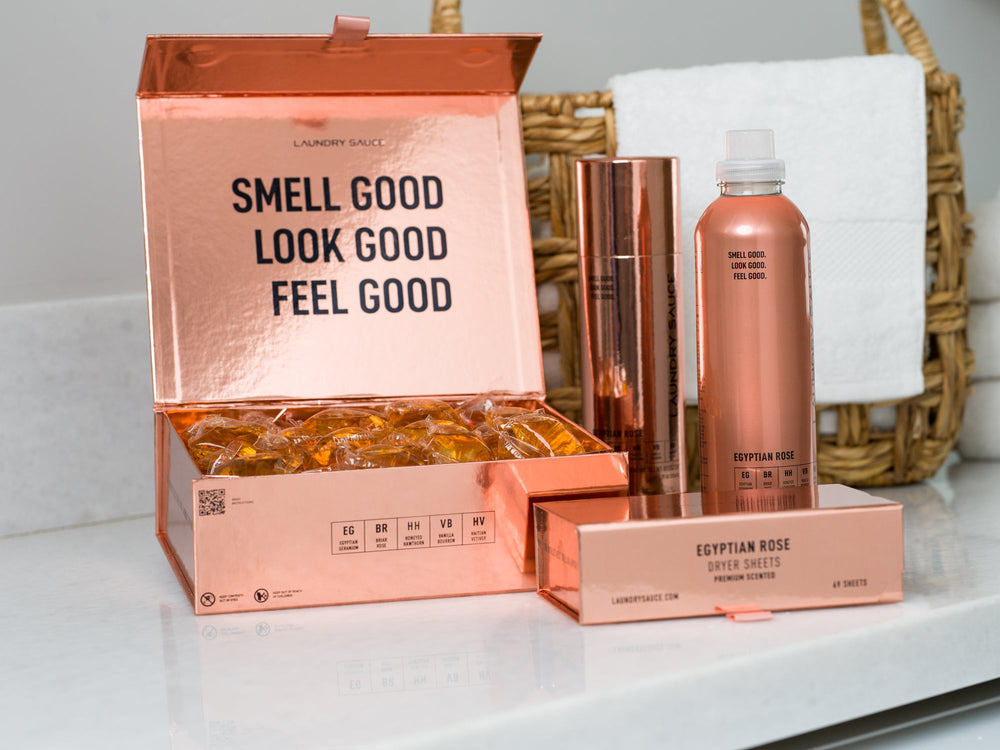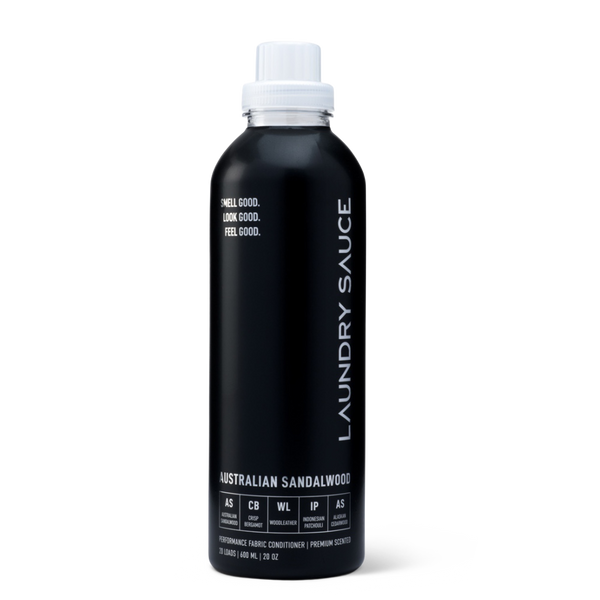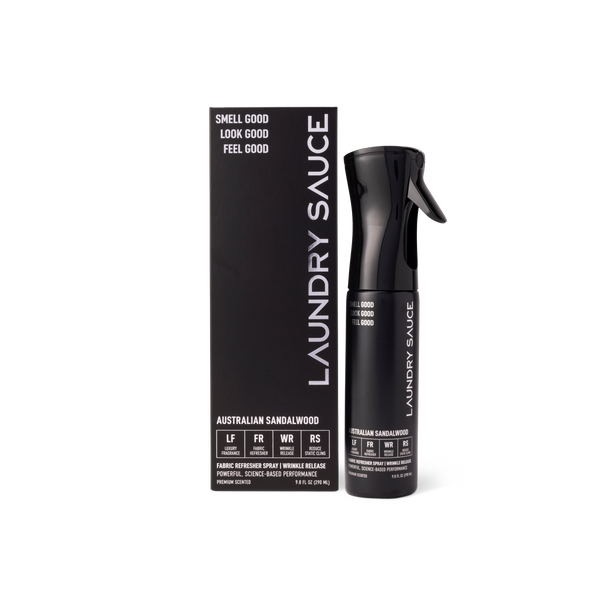











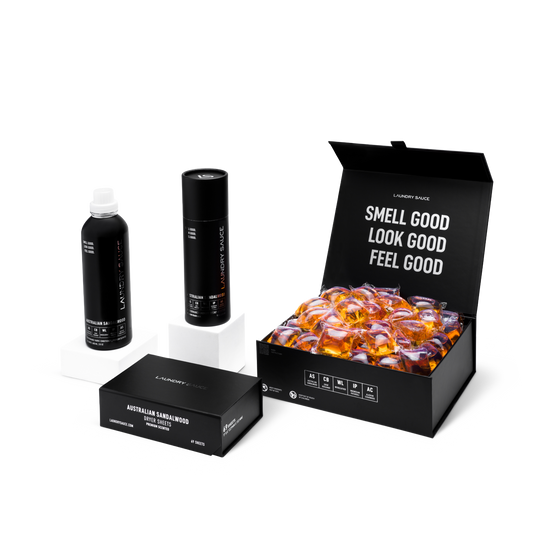










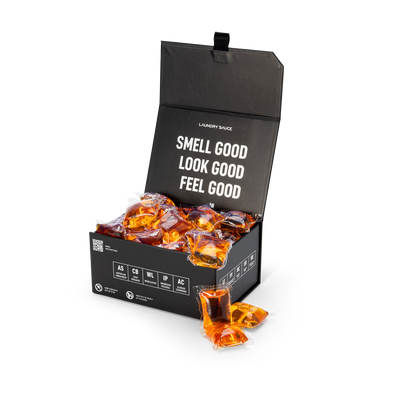
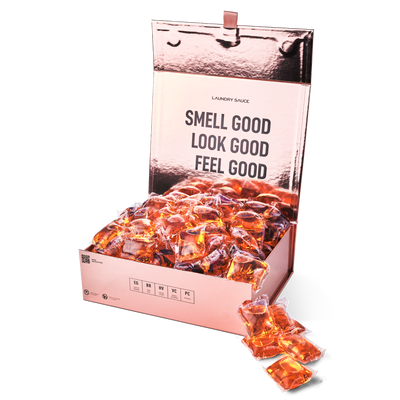
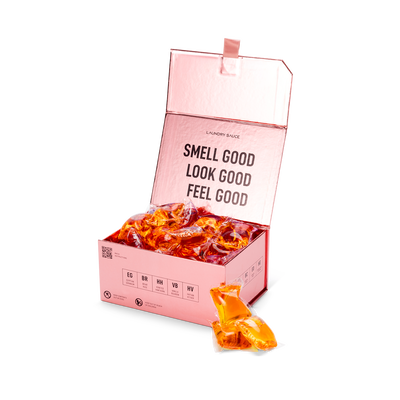
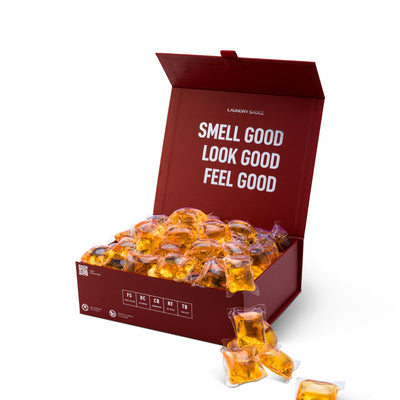
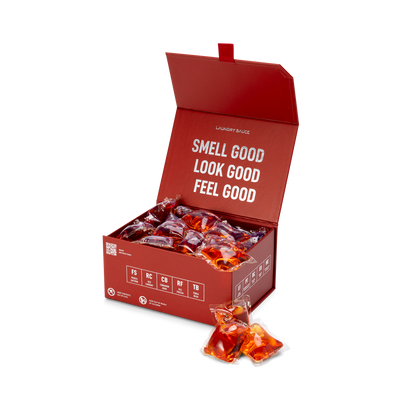
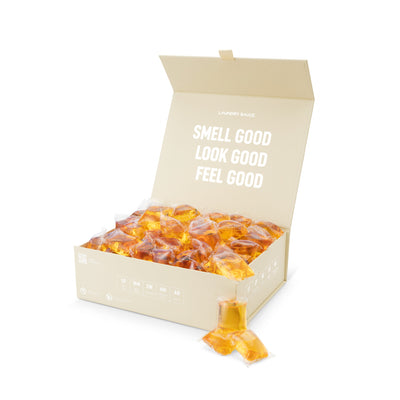

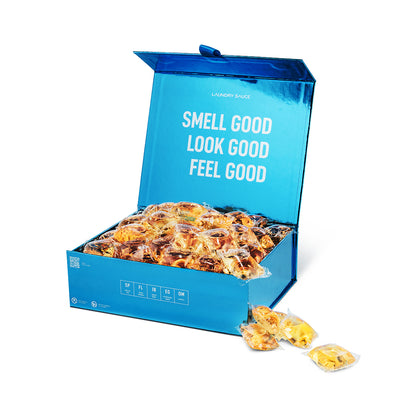
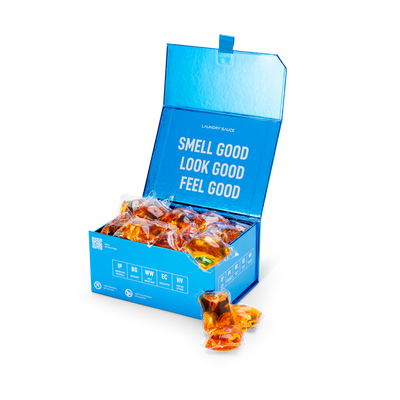
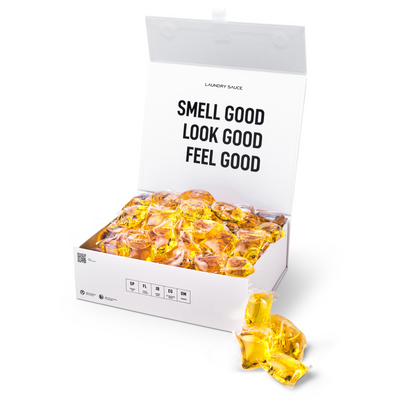
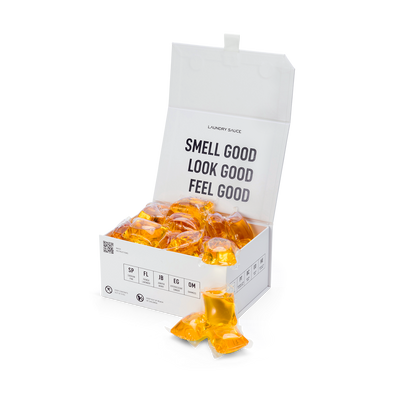







Fabric Conditioner has great PR. Softer clothes. Less static. Laundry that smells like it belongs in a boutique hotel instead of the bottom shelf of a big-box store. And to be clear, we love Fabric Conditioner. We make it. We use it. And it’s a solid upgrade when it makes sense.
Fabric Conditioner (AKA fabric softener) works by coating fibers. That’s how you get that smooth, soft feel. But not every fabric wants to be coated. Some fabrics rely on texture, absorbency, or airflow to function—and once you soften them, they stop doing the thing you bought them for in the first place.
Below are the fabrics and clothing types where Fabric Conditioner does more harm than good—and why skipping it is the smarter move.
1. Bath & Beach Towels
Fabric Conditioner and towels have a complicated relationship.
Yes, towels feel incredible after a wash with softener. Fluffy. Spa-adjacent. Five-star energy.
But that coating that makes towels feel soft also makes them worse at absorbing water. Over time, they stop soaking and start smearing—basically pushing moisture around your body instead of handling it.
If your towel looks great but leaves you damp, Fabric Conditioner is the reason.
Skip it here. Your towels will stay absorbent longer, dry faster, and won’t develop that weird “clean but not really” smell.
No matter what your care tag says, these must-haves keep your clothes looking and smelling their best—minus the guesswork.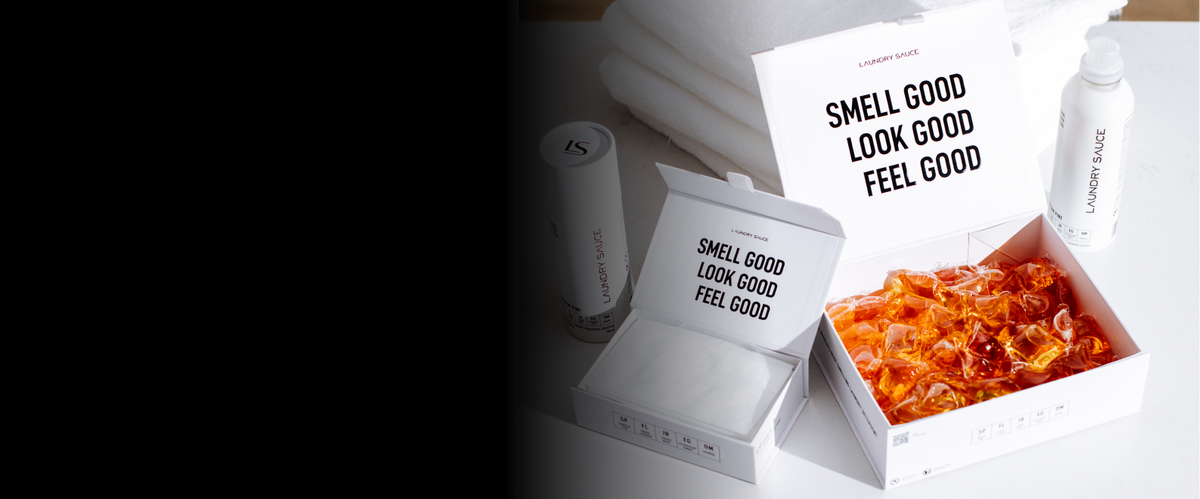
2. Athletic & Performance Wear
Moisture-wicking fabrics are engineered to pull sweat away from your body. Fabric Conditioner can clog those fibers, which means sweat doesn’t evaporate the way it should. Heat stays trapped. Odor-causing bacteria hang around longer. And suddenly your “high-performance” shirt smells bad faster than it used to.
If your gym clothes stopped working the way they did when you bought them, this is likely why. Skip Fabric Conditioner here and let the fabric do its job.
3. Waterproof & Water-Resistant Outerwear
Rain jackets. Shells. Anything labeled “water-resistant” or “waterproof.”
These fabrics rely on specialized coatings to repel water. Fabric Conditioner interferes with that finish, weakening it over time. The result? Jackets that soak through faster and lose their weather-proof credibility.
If you want your jacket to stay rainproof, keep Fabric Conditioner far away from it.
4. Silk & Delicates
Silk doesn’t need help being soft. It already won.
Fabric Conditioner can leave residue, cause uneven texture, and dull the natural sheen that makes silk look expensive in the first place. Delicates are better off with a gentle laundry detergent and minimal intervention.
If the fabric costs more than your weekly grocery run, don’t coat it in anything unnecessary.
5. Down-Filled Jackets & Bedding
Down works because it traps air. That’s how it keeps you warm. Fabric Conditioner can coat the feathers and cause them to clump, reducing loft and insulation.
Translation: Your jacket or comforter gets flatter, heavier, and less warm over time.
Wash down sparingly, skip the fabric softener, and let it keep doing what it’s supposed to do.
6. Microfiber Cloths & Towels
Microfiber works because it’s grippy. Those tiny fibers are designed to grab dust, dirt, liquid, and oils.
Fabric Conditioner neutralizes all of that.
Once coated, microfiber loses its ability to clean properly. Instead of picking things up, it just drags them around. If you use microfiber for screens, cars, glass, or gym towels, fabric conditioner turns premium performance gear into a very expensive disappointment.
No softener. No dryer sheets. Detergent only.
7. Flame-Resistant Clothing
This one’s non-negotiable.
Flame-resistant fabrics—often used for baby clothes—are treated to reduce flammability. Fabric Conditioner can strip or interfere with those treatments, making the clothing less effective and potentially unsafe.
If a garment exists to protect you from actual danger, it does not need to smell extra cozy.
Use Fabric Conditioner. Just Not on Everything.
Fabric Conditioner does exactly what it’s supposed to do—when you use it on the right clothes. It smooths fibers, stops static, and makes laundry feel a little more indulgent.
But some fabrics don’t want to be smoothed out. They rely on grip, airflow, absorbency, or technical finishes to work properly. Coating them just gets in the way.
So use Fabric Conditioner where it earns its spot. Skip it where it dulls performance. That’s not being precious about laundry. That’s just knowing what you’re doing.