






































Here's how to wash white clothes:
- 1. Separate your white items from the rest of your laundry
- 2. Check the care labels on the garments
- 3. Use a pre-measured, enzyme-based laundry pod
- 4. Choose the right water temperature
- 5. Add fabric conditioner or scent booster (optional)
- 6. Don't overload the washing machine
- 7. Air dry, or tumble dry on low heat
White clothes are high-maintenance without trying to be. You buy them crisp and bright. You wear them once. And suddenly they’re leaning yellow, gray, or vaguely off-white in a way that feels personal.
The good news: washing white clothes isn’t complicated. The bad news: most people are doing one or two small things wrong that quietly ruin them over time.
This guide walks through every step—from sorting and detergent choice to wash settings, drying, and storage—so your whites stay actually white, not “formerly white.”
1. Sort Whites the Right Way
Not all whites belong in the same load. Before you even think about detergent, separate your whites into categories:
- Bright whites: tees, socks, underwear, dress shirts
- Off-whites or creams: ivory knits, bone-colored linens
- Heavy whites: towels, sheets, hoodies
- Delicates: lace, silk blends, thin synthetics
Heavier fabrics need hotter water and longer cycles. Delicates don’t. Mixing them leads to dinginess, stretching, or wear that shows up slowly—then all at once.
Also: never wash whites with colors, even light ones, unless you’re actively okay with gambling.
2. Check Care Labels
Yes, this is the boring step. It’s also where most white-clothing casualties begin.
Before washing:
- Empty pockets
- Zip zippers and button shirts
- Turn items inside out to reduce surface abrasion
- Check for “cold wash only” or “do not bleach”
If a care tag says cold water only, believe it. Heat doesn’t just remove stains—it can lock them in permanently.
3. Choose the Right Laundry Detergent
Over-detergenting is one of the top reasons whites turn gray. Too much detergent doesn’t rinse cleanly. It leaves residue. Residue traps dirt. Dirt makes whites look tired.
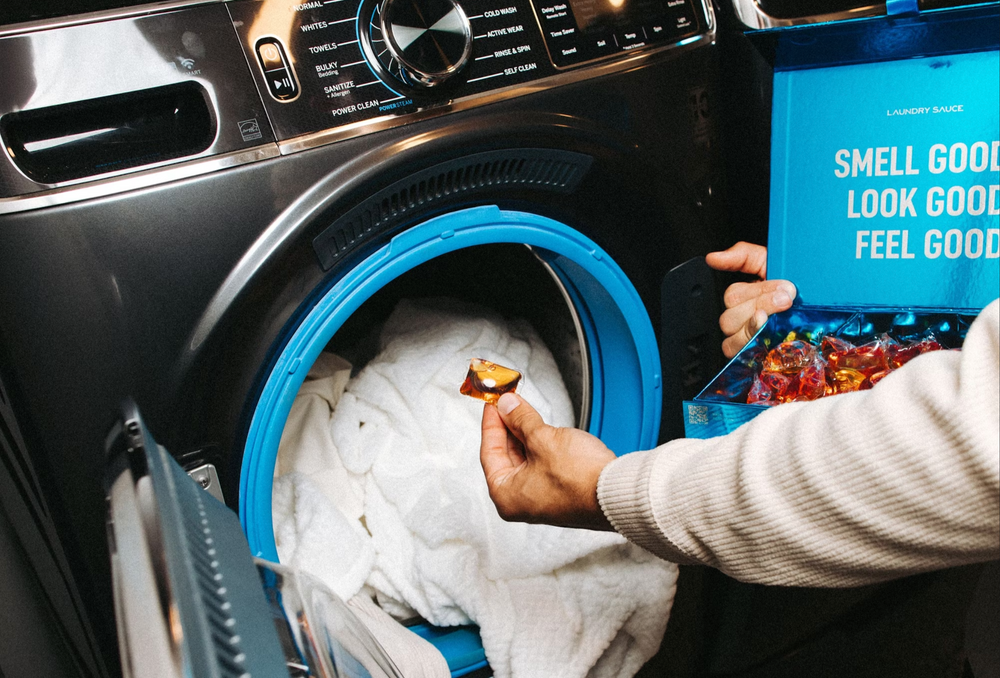
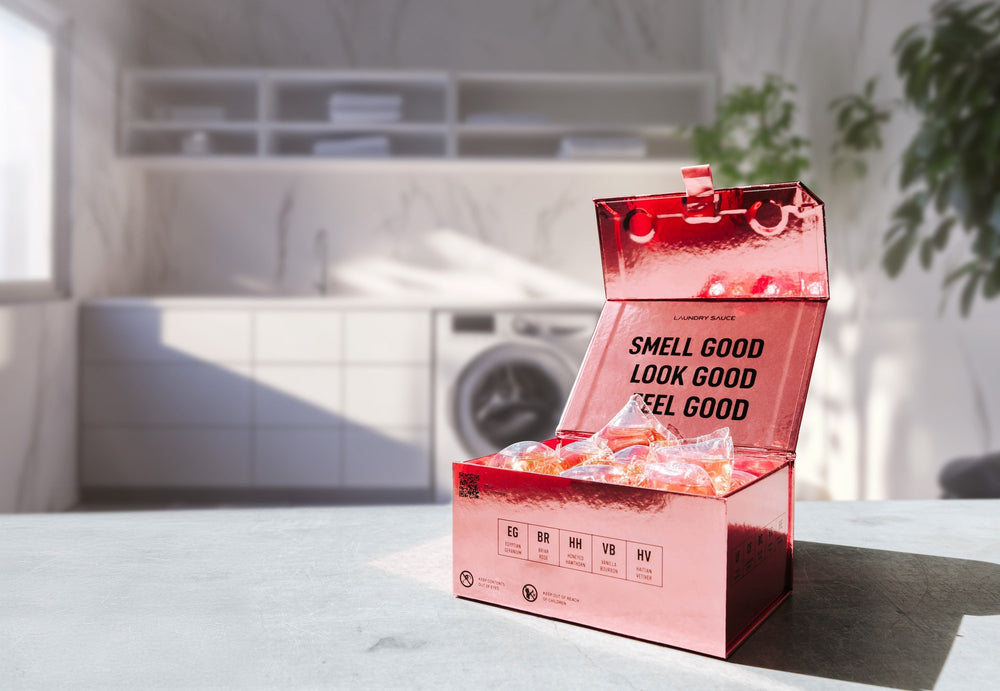
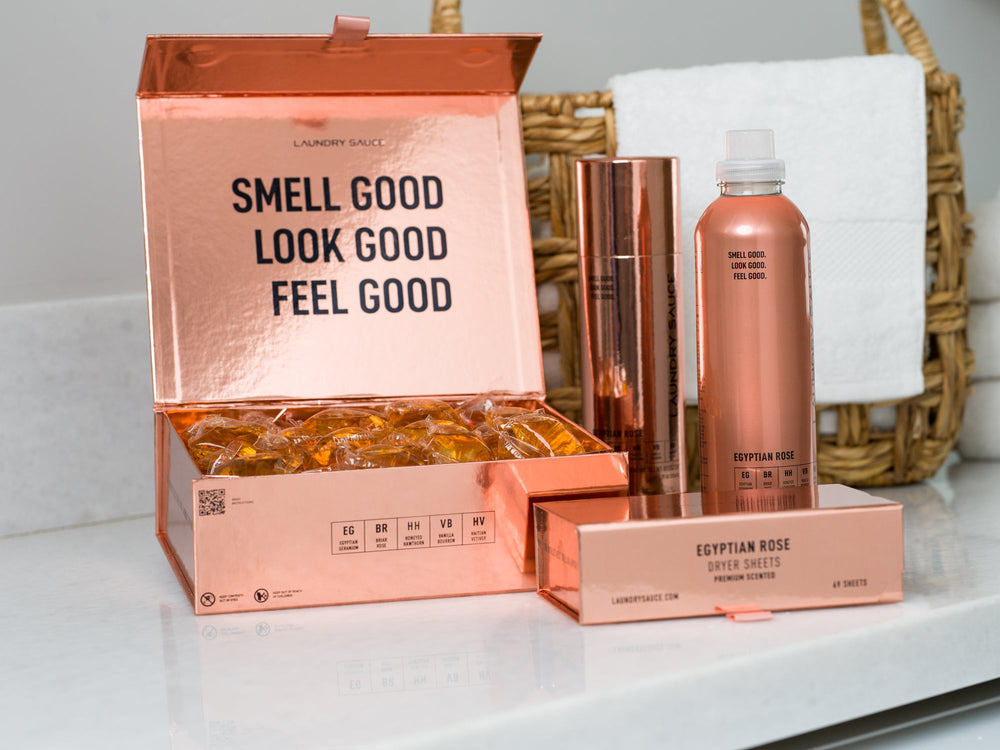
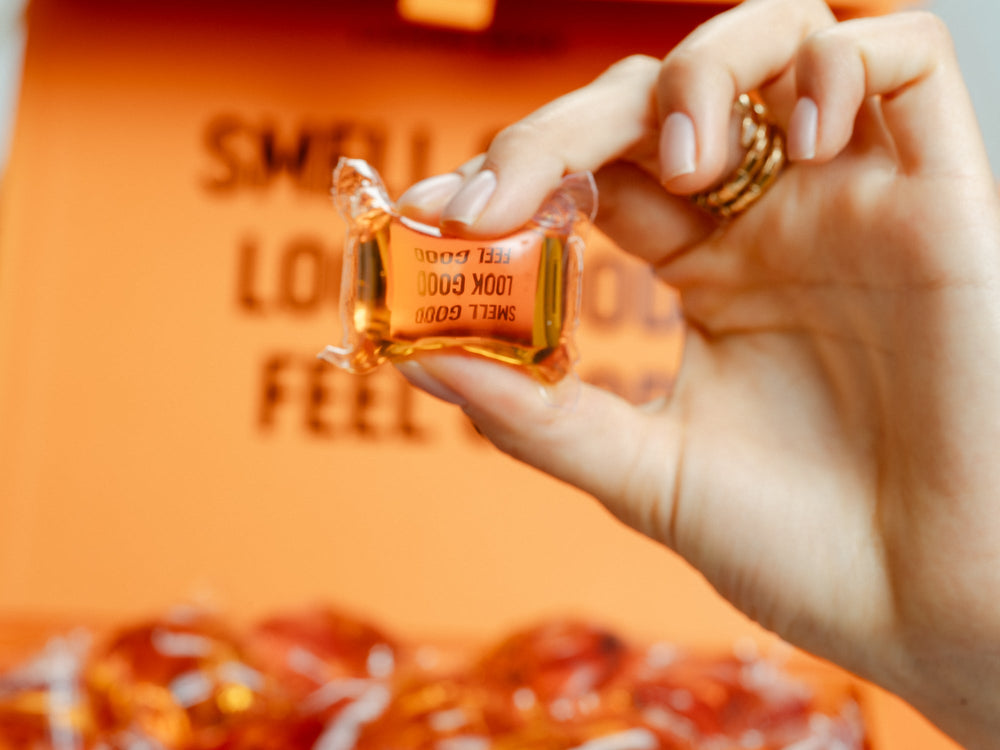
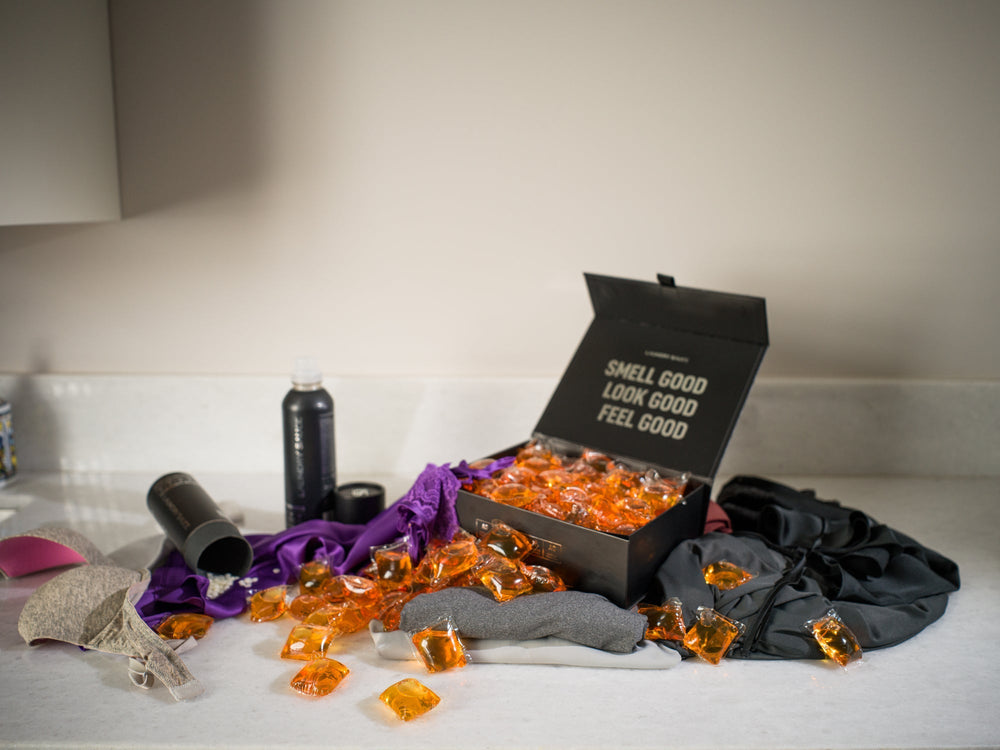
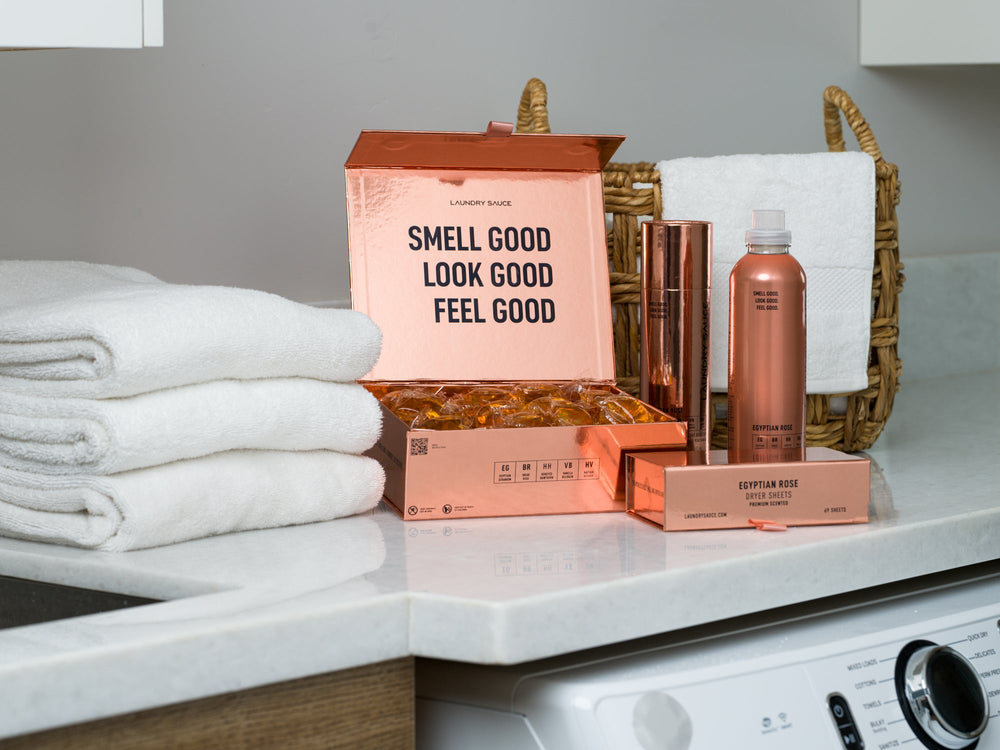
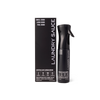
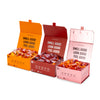
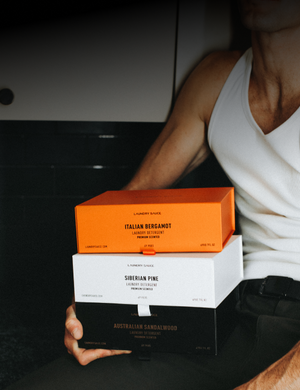
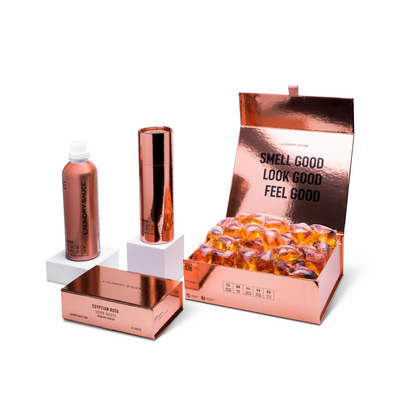
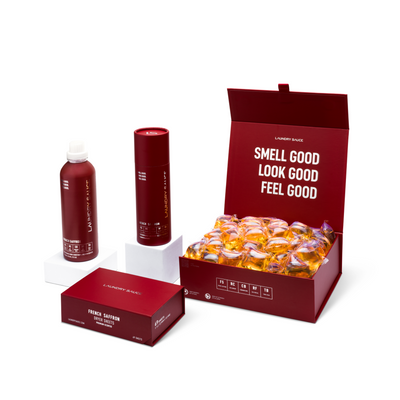
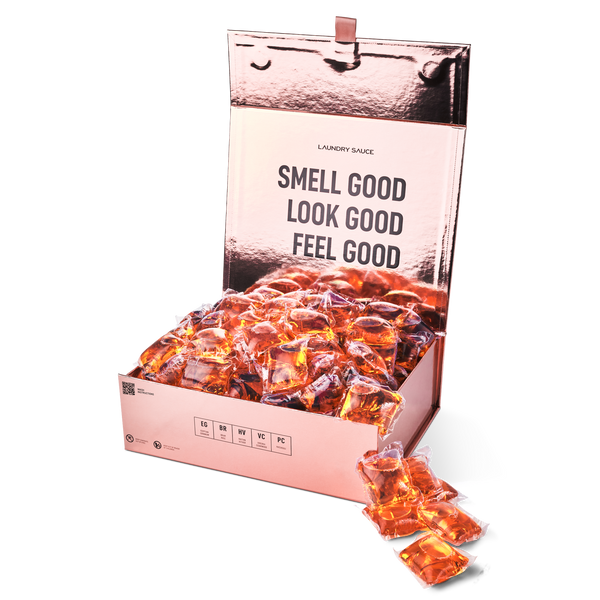
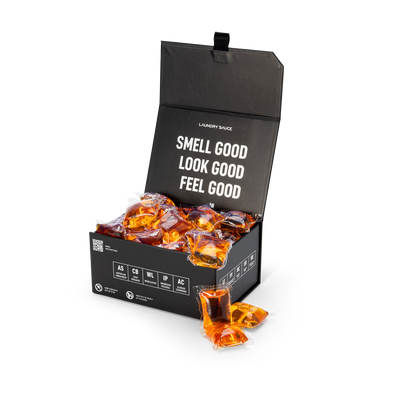
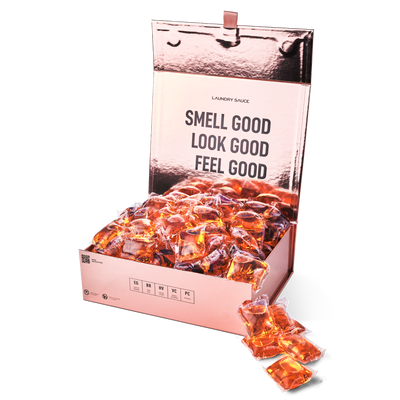
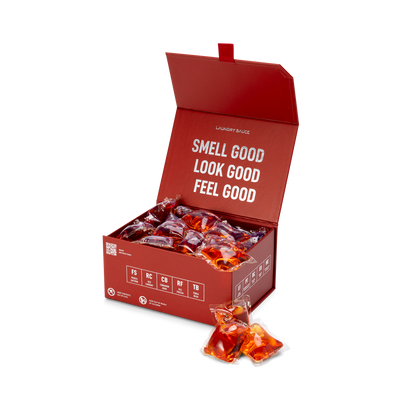
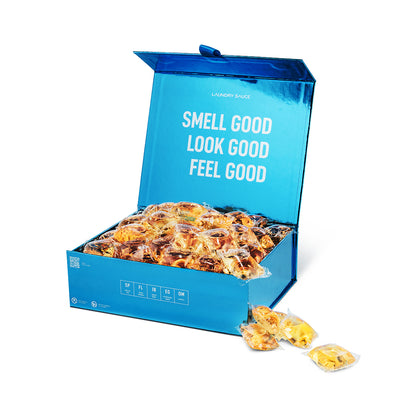
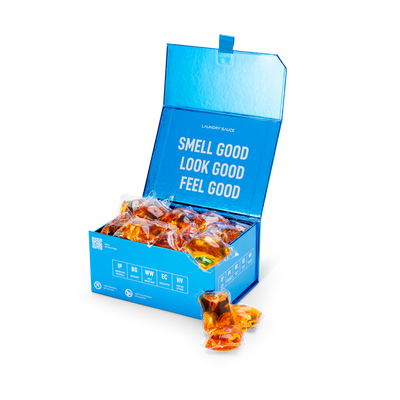
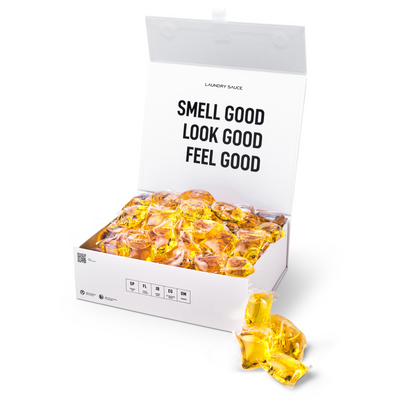
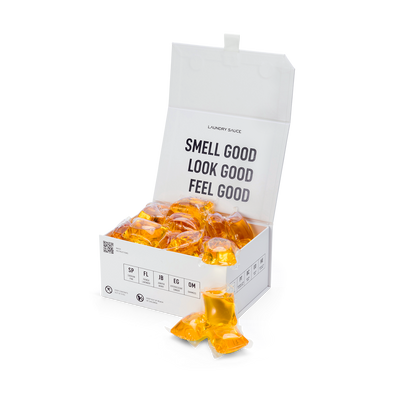
That’s why pre-measured laundry pods are the move. Laundry Sauce detergent pods give you:
- The right amount, every time
- Enzyme-based cleaning to break down oils and stains
- Premium fragrances crafted by the world’s top perfumers
Pod count guideline:
- Regular load: 1 pod
- Heavier loads: 2 pods
Always place pods directly in the drum, before clothes.
No matter what your care tag says, these must-haves keep your clothes looking and smelling their best—minus the guesswork.
4. Pick the Right Water Temperature
This is where people either save their white clothes or quietly destroy them.
- Cold water: Best for lightly worn whites, delicates, and stain prevention
- Lukewarm water: Ideal for everyday tees and underwear
- Hot water: Only for towels, bedsheets, or heavily soiled items
Hot water can help with sanitizing, but it also:
- Breaks down fibers faster
- Sets protein stains (sweat, deodorant, food)
If you’re unsure, lukewarm water is the safest middle ground.
5. Add Fabric Conditioner or Scent Booster (Optional, But Strategic)
These are upgrades, not requirements. But if your fabrics are compatible with them, they can make laundry day a little more indulgent.
Fabric Conditioner
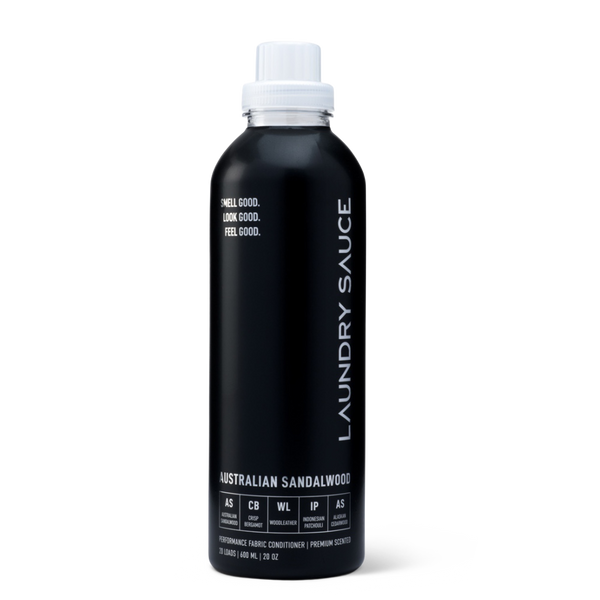
Use Fabric Conditioner sparingly, and never directly on clothes. Add it only to the designated dispenser.
- Helps reduce stiffness in towels and sheets
- Can improve feel, but overuse causes buildup
Skip fabric conditioner on:
- Athletic clothes
- Towels that need absorbency
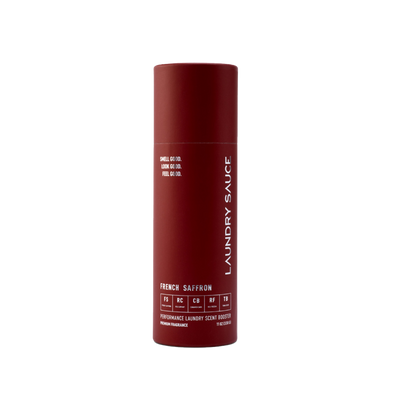
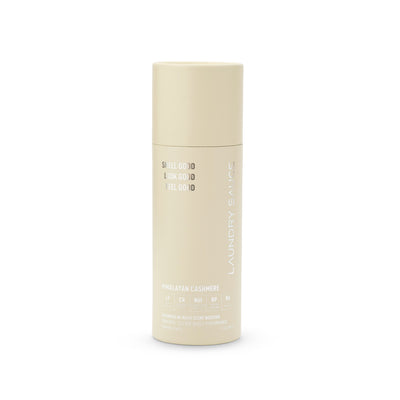
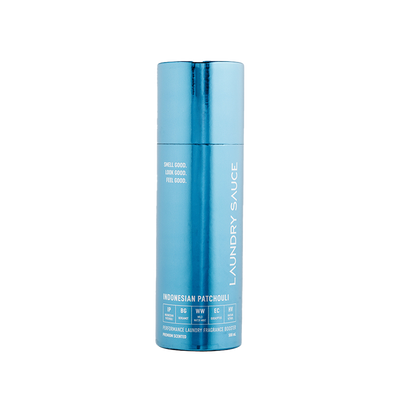
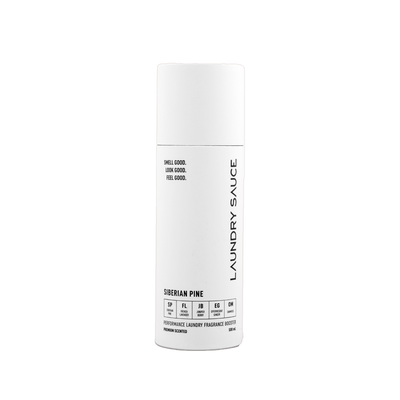
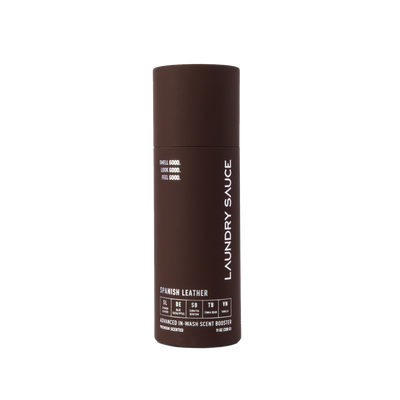
Scent Booster
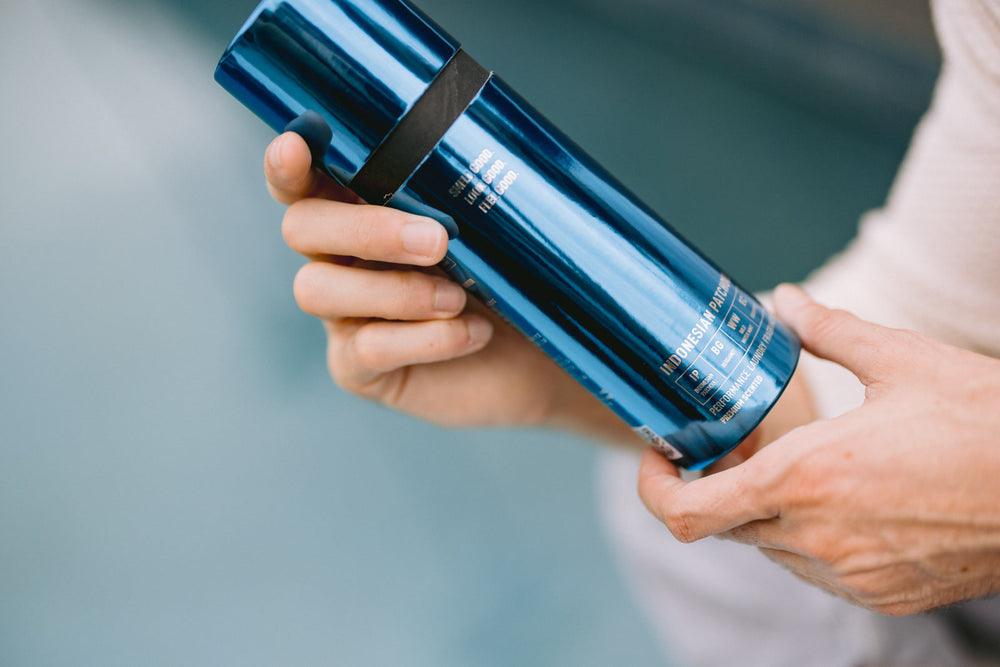
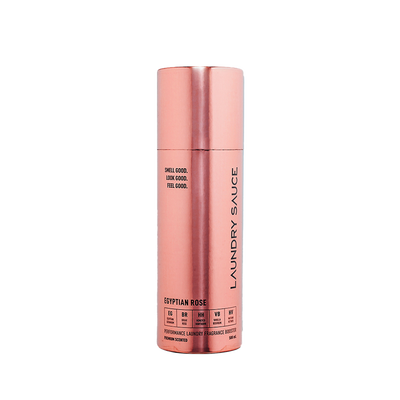
Scent Boosters dissolve slowly during the wash and add long-lasting fragrance.
They’re especially useful for:
- Towels
- Sheets
- Whites stored for long periods
Add them to the drum before clothes, just like detergent pods.
6. Don’t Overload the Machine
Your washer needs room to move water through fabric. When it’s packed tight, clothes can’t rinse fully, and leftover detergent equals dull fabric.
Rule of thumb: If you can’t fit your hand vertically into the drum after loading, it’s too full.
7. Dry Whites Clothes Correctly
We’re big fans of hanging clothes to air dry. It helps preserve the fragrance from your laundry detergent and prevent shrinkage. But if you’re in a hurry, here’s how to use your dryer like a pro:
- Shake items out before drying
- Clean the lint trap every time
- Don’t overdry (heat weakens white fibers)
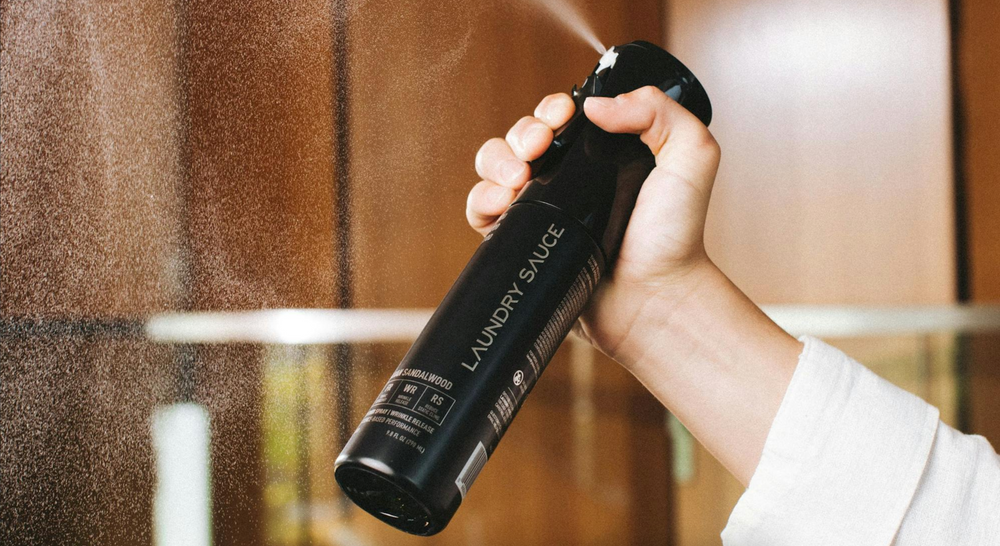
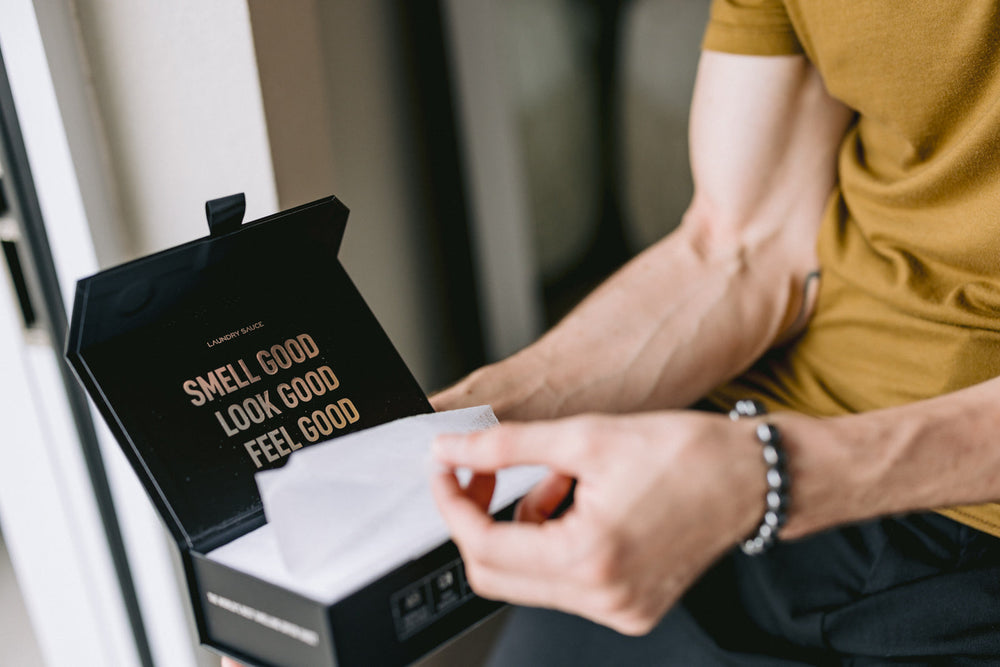
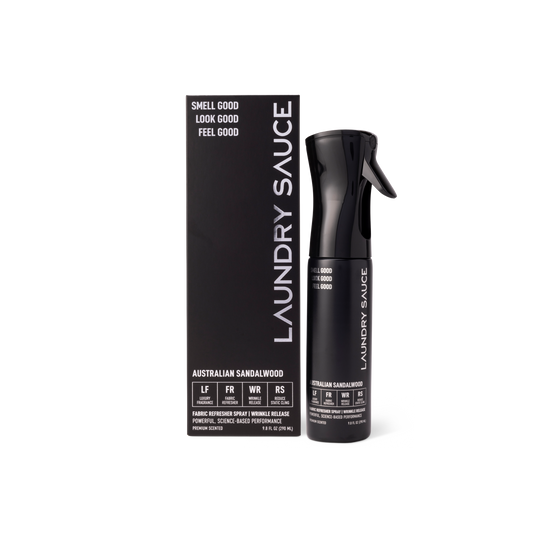
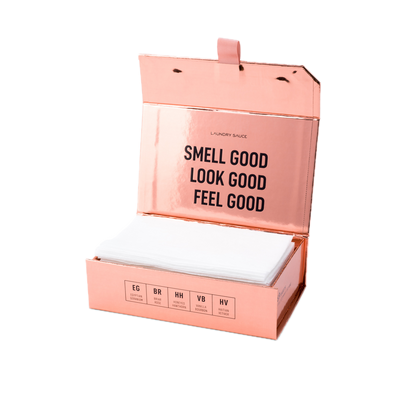
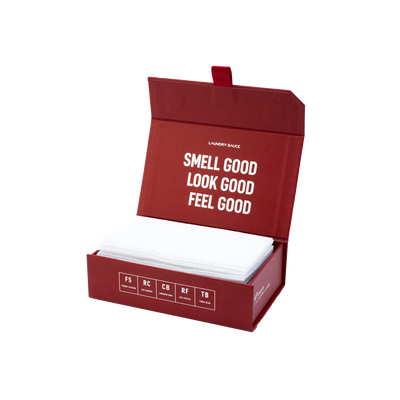
- Add a couple of Laundry Sauce Dryer Sheets to stop static and lock in your laundry fragrance
Common Questions About Washing White Clothes
Should I use bleach on white clothes?
Generally, no. Bleach weakens fibers and often causes yellowing over time. If you use it, do so sparingly and only on sturdy fabrics like towels.
Why do my white clothes turn gray?
Usually detergent buildup, overdrying, or washing with darker lint-producing items. Less detergent and better rinsing fix most cases.
Can I wash whites and light colors together?
It’s possible, but not recommended. Whites absorb dye fast—even light dye—and once it happens, it’s permanent.
How often should I wash white clothes?
After every wear for underwear and tees. After 2–3 wears for heavier items if they’re clean and odor-free.
Why do my whites smell clean but look dull?
Odor removal and residue removal aren’t the same thing. Enzyme-based detergent and proper load size matter more than scent.
Keep Your Whites White, Without Overthinking It
White clothes don’t need special treatment. They need correct treatment.
Sort them properly. Use the right amount of detergent. Give them room to rinse. Go easy on heat. And use products that clean without leaving junk behind.
That’s where Laundry Sauce saves the (laundry) day. Our laundry pods, scent boosters, fabric conditioner, and dryer sheets are designed to keep clothes clean, soft, and actually wearable—without turning laundry into a chemistry experiment.