













































If you’re reading this, you’ve probably been guilty of overloading your washing machine. It’s not because you’re reckless. It’s because you’re busy, mildly optimistic, and convinced that one more hoodie won’t change the outcome. But it does.
Overloading is one of those habits that feels efficient but slowly undermines everything: how clean your clothes get, how long they last, and how well your washer performs.
Here’s how to tell when a load is too big, why it matters, and how to wash larger loads without turning your laundry routine into a slow-motion mistake.
What Counts as Overloading a Washing Machine?
Overloading isn’t about weight. It’s about space.
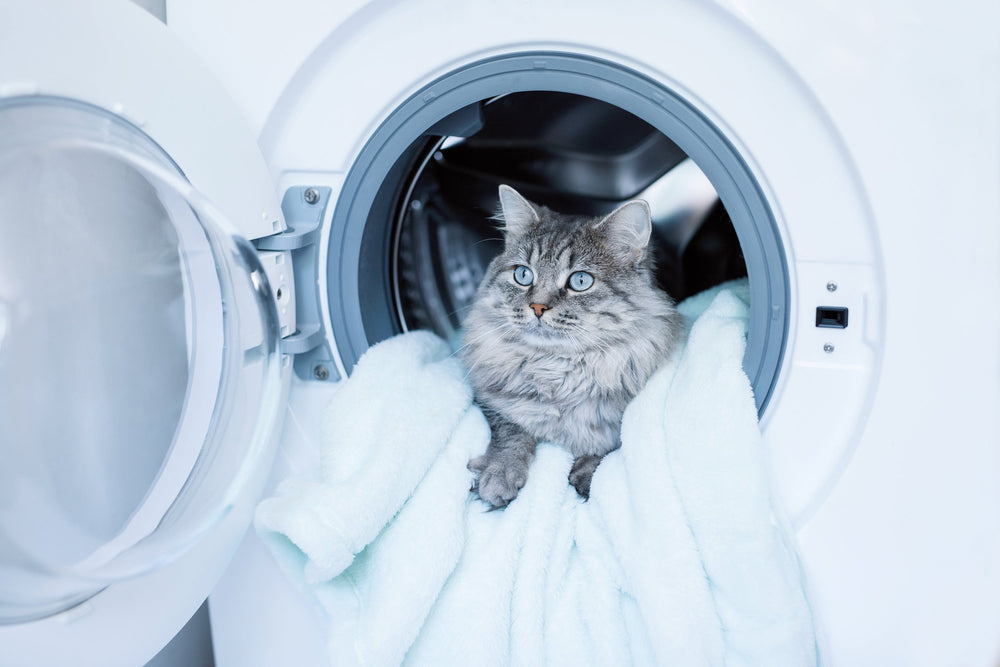
Washing machines clean by lifting fabrics, dropping them, and forcing water and detergent through the fibers. That movement is the whole point. When the drum is packed tight, clothes can’t circulate. They just sit there, damp and dirty.
A simple test: Once the drum is loaded, you should be able to fit a vertical hand between the top of the clothes and the drum. If you can’t, it’s overloaded.
This is where people get tripped up. A few T-shirts rarely cause problems. Towels, hoodies, denim, bedding—those are the stealth offenders. They look manageable until they absorb water and suddenly behave like they’ve doubled in mass.
No matter what your care tag says, these must-haves keep your clothes looking and smelling their best—minus the guesswork.
Why Overloading Leads to Clothes That Aren’t Actually Clean
When your clothes can’t move, your laundry detergent can’t either.
In an overloaded washer, detergent tends to concentrate in one area instead of dispersing evenly. Water gets trapped between layers of fabric. Oils and sweat loosen but don’t fully rinse away. What you’re left with is laundry that smells clean at first, then develops a faint, stubborn funk by midday.
This is why people end up rewashing clothes that were “just washed,” convinced the issue is the detergent or the machine—when it’s actually physics.
How Overloading Wears Out Your Clothes Faster
Clothes don’t age gracefully when they’re constantly fighting for space.
In a packed drum, heavy fabrics grind against lighter ones. Seams take more stress. Elastic stretches faster. Fibers break down prematurely. This is how sweaters pill before they should, and T-shirts lose their shape while still technically “new.”
If you’ve ever wondered why certain items seem to deteriorate faster than others despite similar wear, this is usually the reason.
What Overloading Does to Your Washing Machine
Washing machines are built to handle heavy loads. They’re not built to handle immobile ones.
When a drum can’t rebalance itself during the spin cycle, the machine compensates by working harder. Motors strain. Bearings wear down. The entire unit vibrates like it’s reconsidering its design choices. That aggressive banging sound during spin isn’t personality—it’s imbalance.
Overloading also contributes to detergent buildup inside the machine. Poor rinsing leaves residue behind, which collects over time and eventually transfers odors back onto your clothes. At that point, the washer becomes part of the problem.
How Many Laundry Pods to Use for Different Load Sizes
Pods don’t mean one-size-fits-all. Load size still matters.
- Small and medium-sized loads: 1 pod
- Large loads: 2 pods
- Bulky items (towels, bedding): base your decision on how full the drum is, not how many items you counted
Using more pods isn’t overkill when the detergent is properly balanced. It’s how you maintain consistent cleaning as loads scale up.
How to Wash Large Loads Without Overloading
Sometimes large loads are unavoidable. Here are some tips to stay strategic.
- Split bulky items when you can.
- Wash towels separately from clothing.
- Choose cycles designed for heavy fabrics instead of defaulting to “normal.”
- Leave space in the drum, even if it feels inefficient.
- Use a laundry detergent pod designed to perform in those conditions.
5 Signs You’re Overloading Your Washing Machine
You don’t need a manual to know something’s off. The signs are consistent:
- Clothes come out tightly knotted or twisted
- Residue appears on dark fabrics
- A musty smell lingers after washing
- The washer shakes aggressively during spin
- Fabrics feel stiff or unevenly clean
Laundry Sauce Is Built for Any Load Size
Doing fewer loads isn’t lazy. It’s practical. The mistake is assuming every detergent can keep up when loads get bigger and heavier.
Clothes still need room to move. Detergent still needs to disperse evenly. The difference is using a formula that’s built for real-world laundry—not just perfectly measured, half-empty drums.
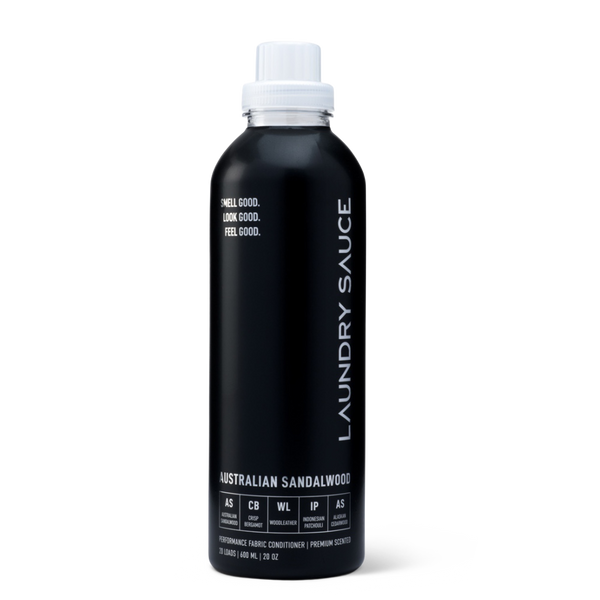
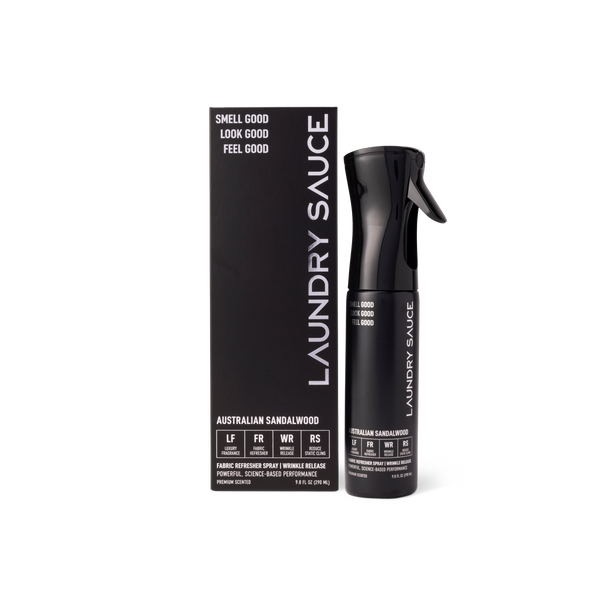
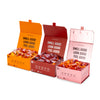
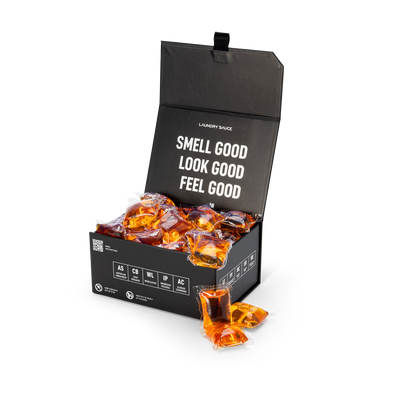
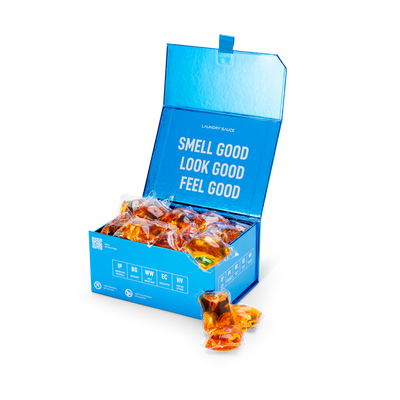
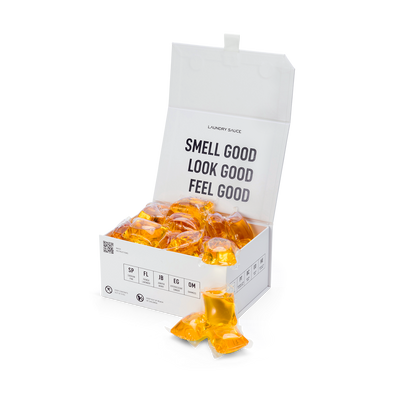
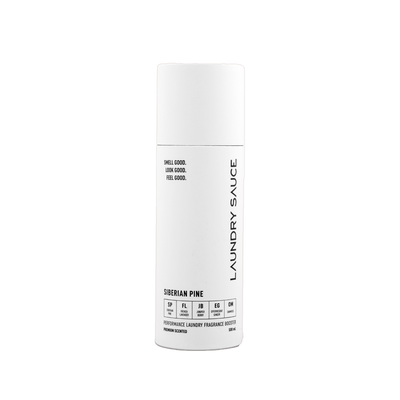
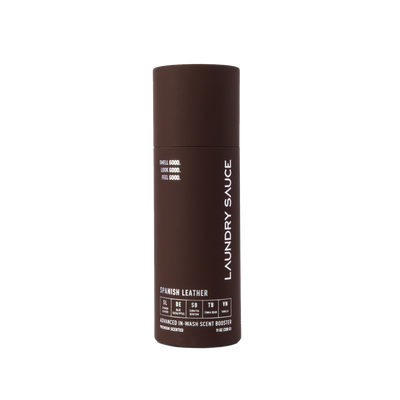
Laundry Sauce pods are designed to handle any load size. They dissolve evenly, scale cleanly from small loads to full drums, and let you adjust dosing without guesswork. One pod or three, the result is the same: Clothes that come out clean, stain-free, and smelling like they came from a five-star hotel instead of a supermarket.