






























Laundry has entered its wellness era. Somewhere between oat milk and air purifiers, the idea that your clothes need to be sanitized became mainstream. The word sounds serious, and it’s often used in a way that suggests your T-shirts are one spin cycle away from becoming a public health risk.
They’re not.
Most laundry doesn’t need to be sanitized every time you wash it. But sometimes, a normal cycle isn’t enough. The trick is knowing when to step it up (and when to leave well enough alone).
What “Sanitizing” Laundry Actually Means
Sanitizing is not the same as disinfecting, and it’s definitely not sterilizing.
Sanitizing laundry means reducing bacteria to safe levels. Not erasing every microbe from existence. That distinction matters, because chasing “germ-free” clothing usually leads to overheated washers, fried fabrics, and clothes that age like milk.
What actually affects bacteria in laundry comes down to four factors:
- Heat
- Time
- Chemistry
- Movement
Miss one of those, and you’re just aggressively rinsing.
No matter what your care tag says, these must-haves keep your clothes looking and smelling their best—minus the guesswork.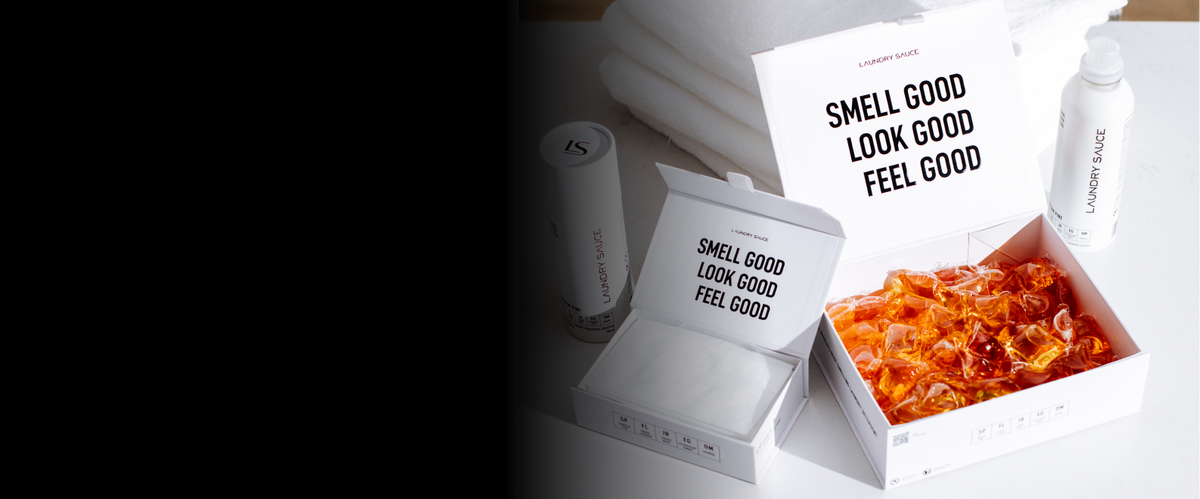
When Should You Sanitize Your Laundry?
There are moments when extra measures make sense.
If you’ve been sick (fever, stomach bug, skin infection), that’s a good time to sanitize towels, sheets, and clothes worn close to the body. Same goes for workout gear that still smells suspicious after washing, towels that stay damp for too long, or bedding that’s been quietly collecting sweat and skin cells for weeks.
Households with babies, pets, or anyone with a compromised immune system may also benefit from occasional sanitizing—especially for items that don’t get fully dry right away.
Pro tip: Before you turn up the heat or activate a sanitize cycle, read the care label. Some fabrics like wool and silk can’t handle the temperatures required for sanitizing. Ignoring that small tag is how sweaters shrink, elastics fail, and expensive shirts become “house-only” shirts.
Sanitizing is only effective if the fabric survives it.
When You Don’t Need To Sanitize Your Laundry
Most everyday clothes don’t need sanitizing. That includes office wear, denim, sweaters, and anything worn briefly and washed promptly.
Over-sanitizing does more harm than good. High heat and aggressive chemistry break down fibers, fade color, and shorten the life of your clothes. If you’re sanitizing “just in case,” chances are you’re solving a problem that doesn’t exist.
3 Ways to Sanitize Laundry (Without Ruining It)
If you’ve concluded that you need to sanitize your laundry, you’ve got options.
1. Heat
Hot water followed by a high-heat dry cycle remains the most reliable way to reduce bacteria—especially for towels, sheets, and sturdy cottons. Heat works. The catch? Not every fabric can tolerate it. This is a solution for durable items, not your entire wardrobe.
2. The Sanitize Setting on Your Washing Machine
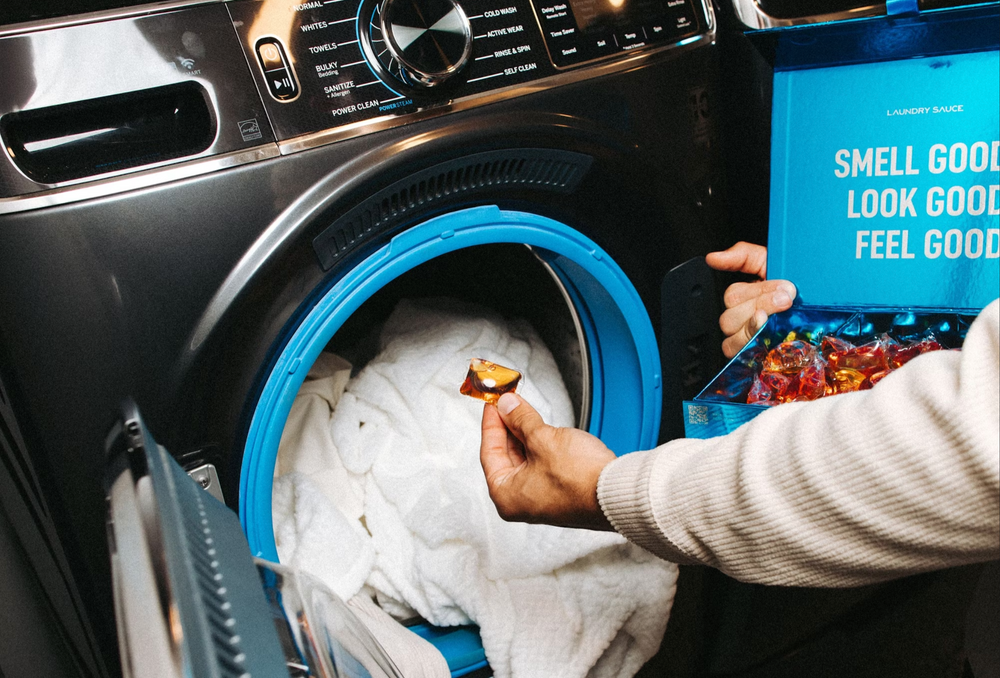
Many modern washing machines now include a sanitize cycle. This setting uses higher water temperatures and longer wash times than a standard hot cycle. Some machines also hold the temperature steady for a set period, which is more important than people realize when it comes to reducing bacteria.
Use this setting intentionally. It’s designed for things like towels and bedding—not wool sweaters, performance fabrics, or anything with a fragile care label.
3. Laundry Sanitizers
Oxygen-based cleaners and laundry sanitizing additives can help reduce bacteria when used correctly. Think of these as targeted reinforcements, not everyday essentials. They’re useful in specific situations, not something you need to reach for every load.
Keep in mind that sanitizing only works if fabrics are actually clean to begin with. Bacteria cling to sweat, body oils, and residue left behind in fabric. If those aren’t removed first, heat and additives have less to work with.
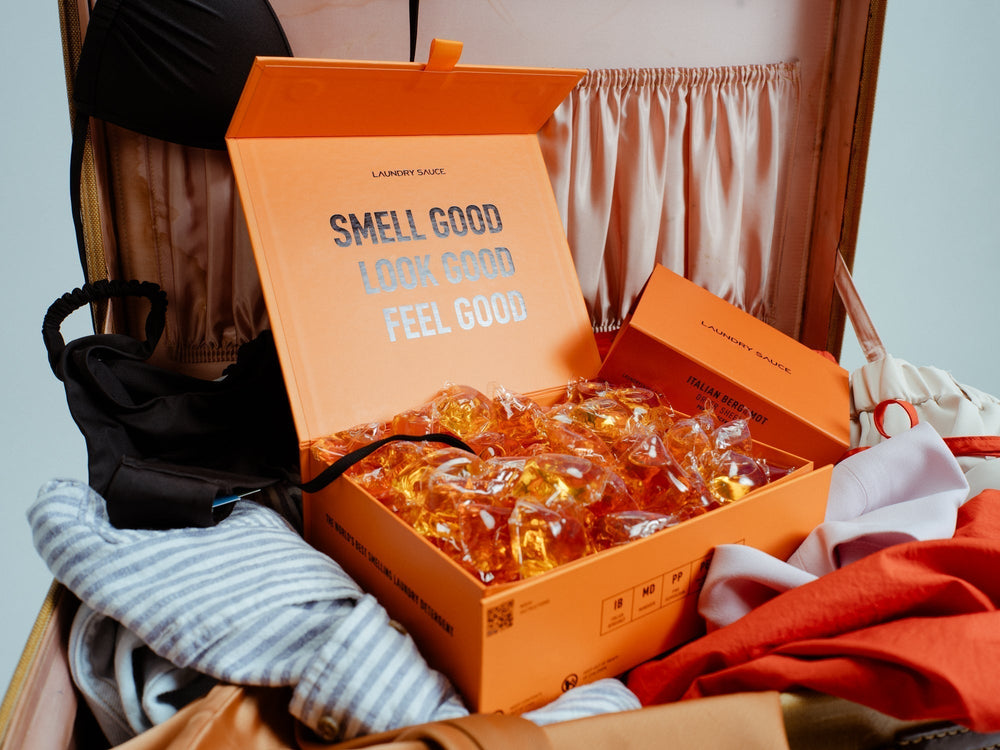
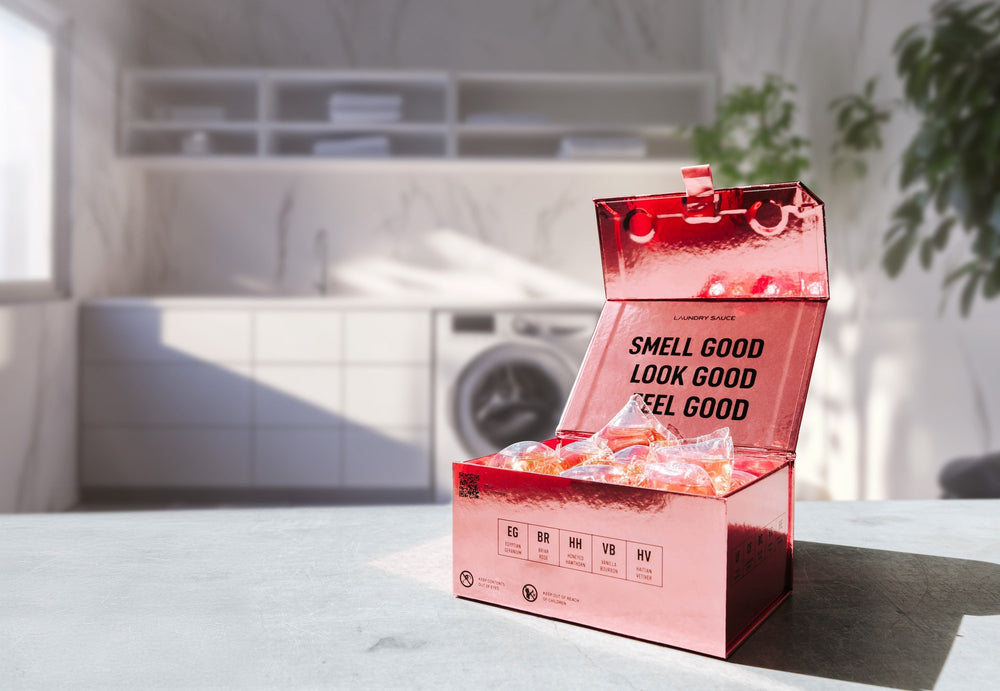
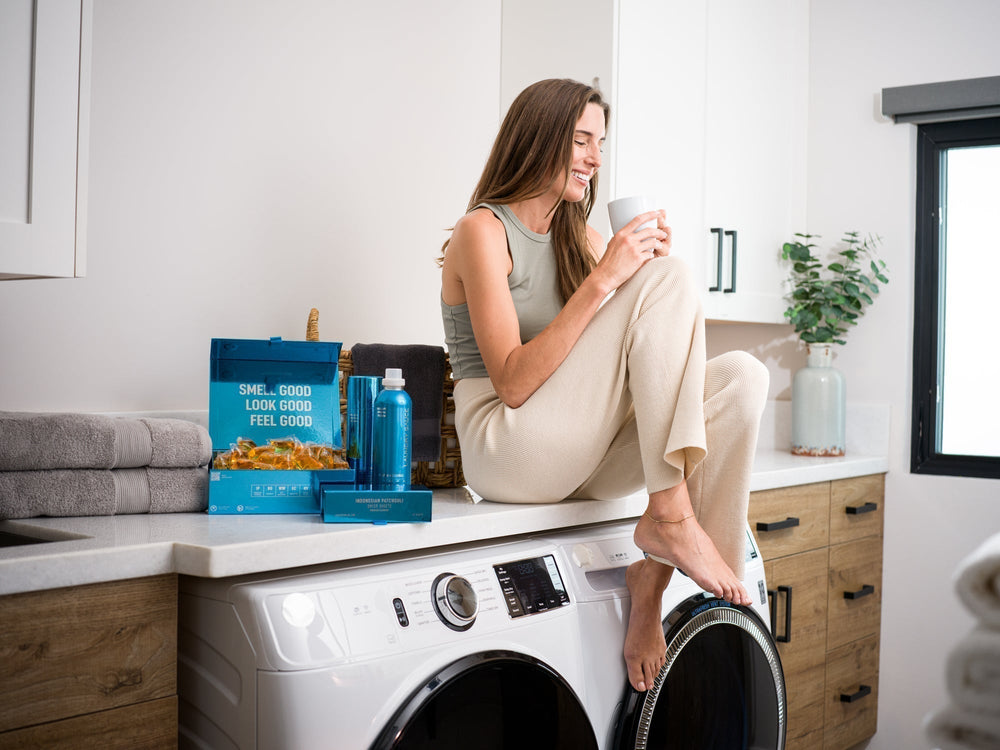
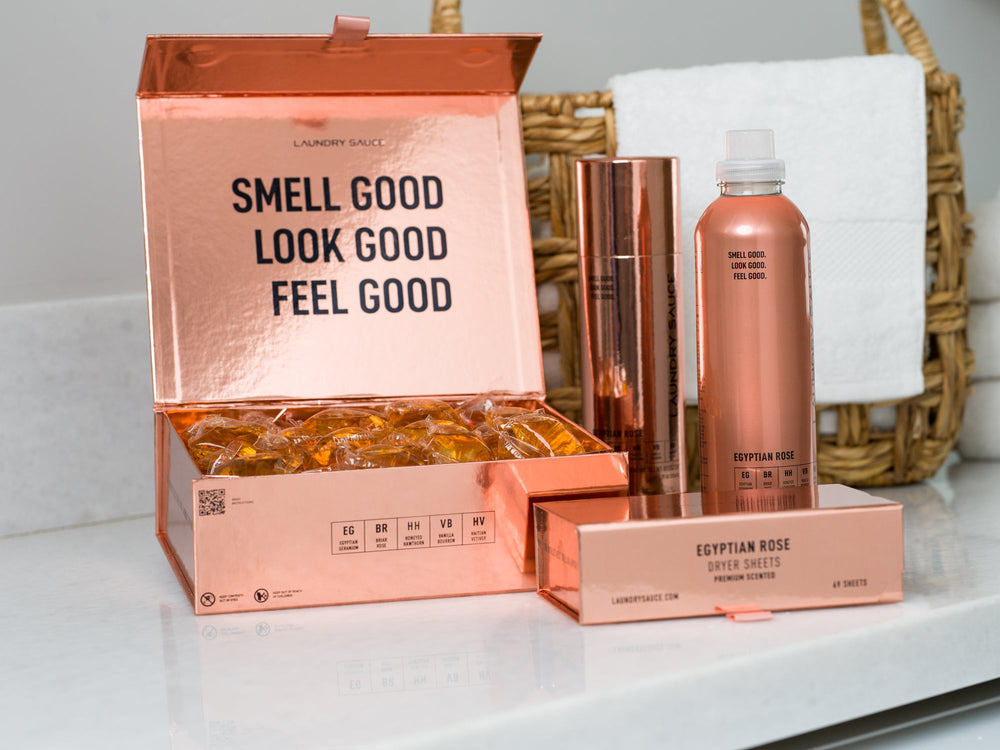
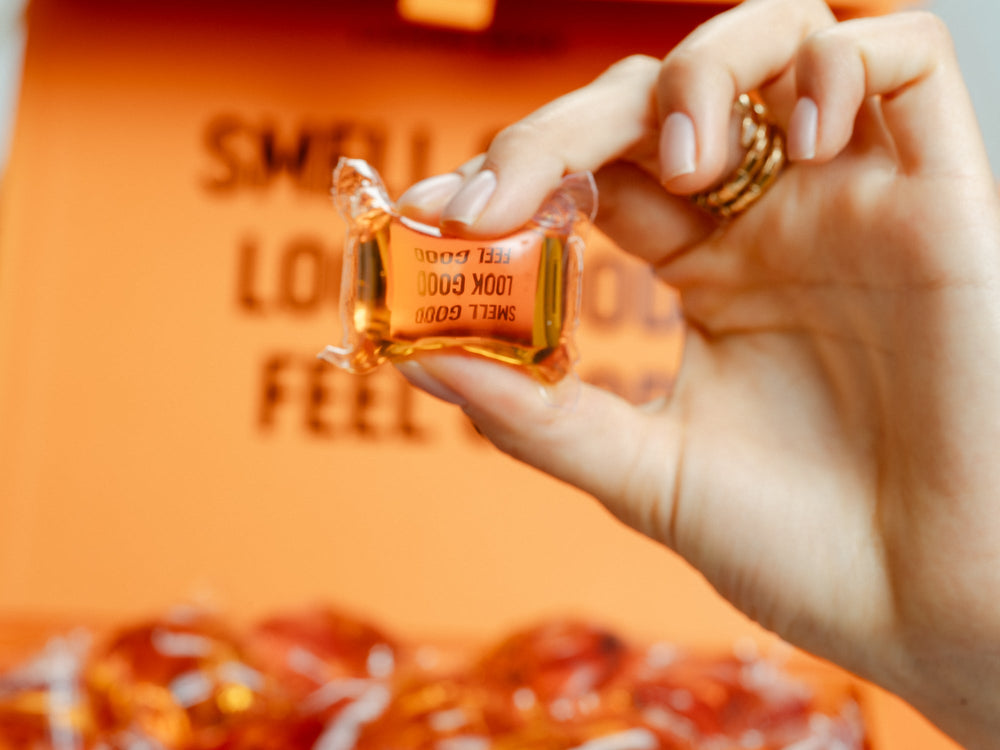
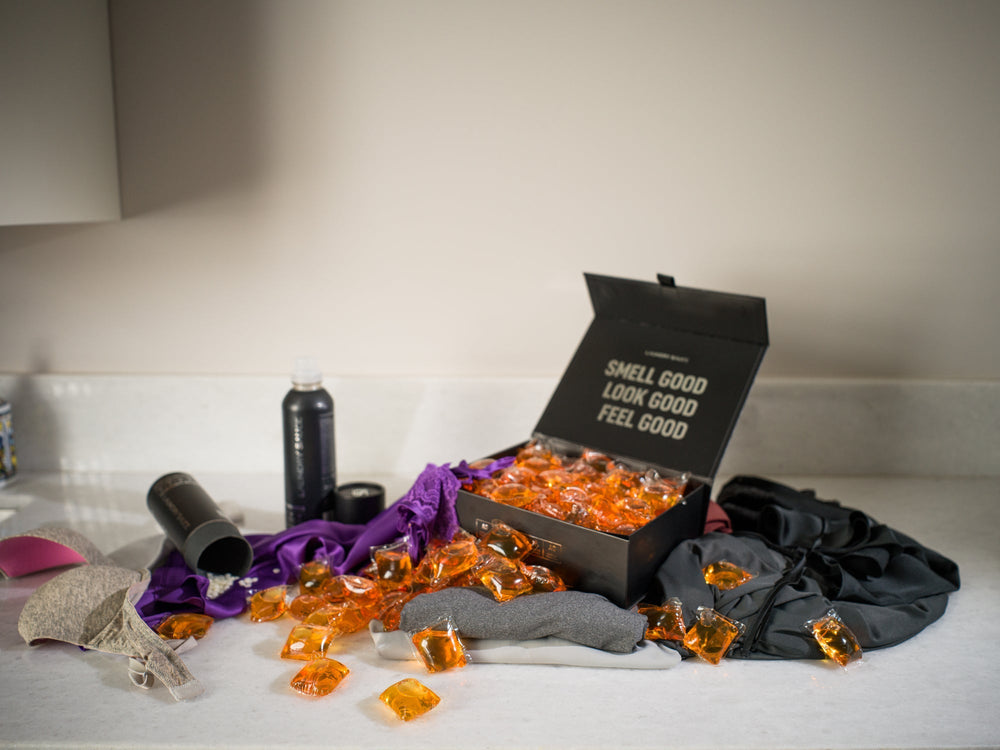
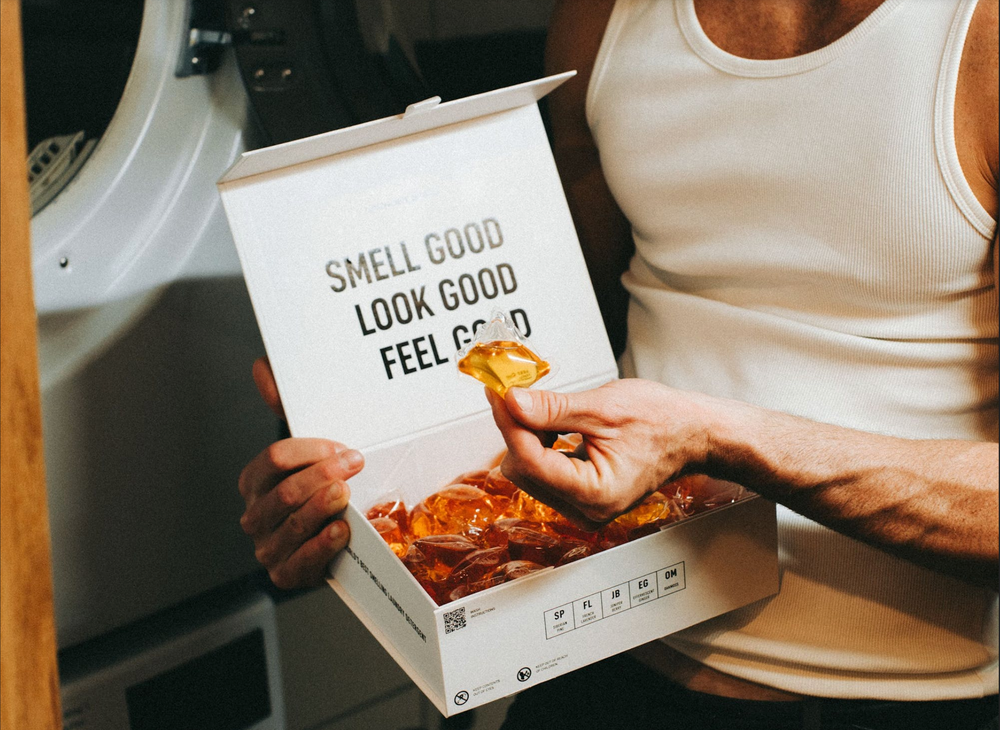
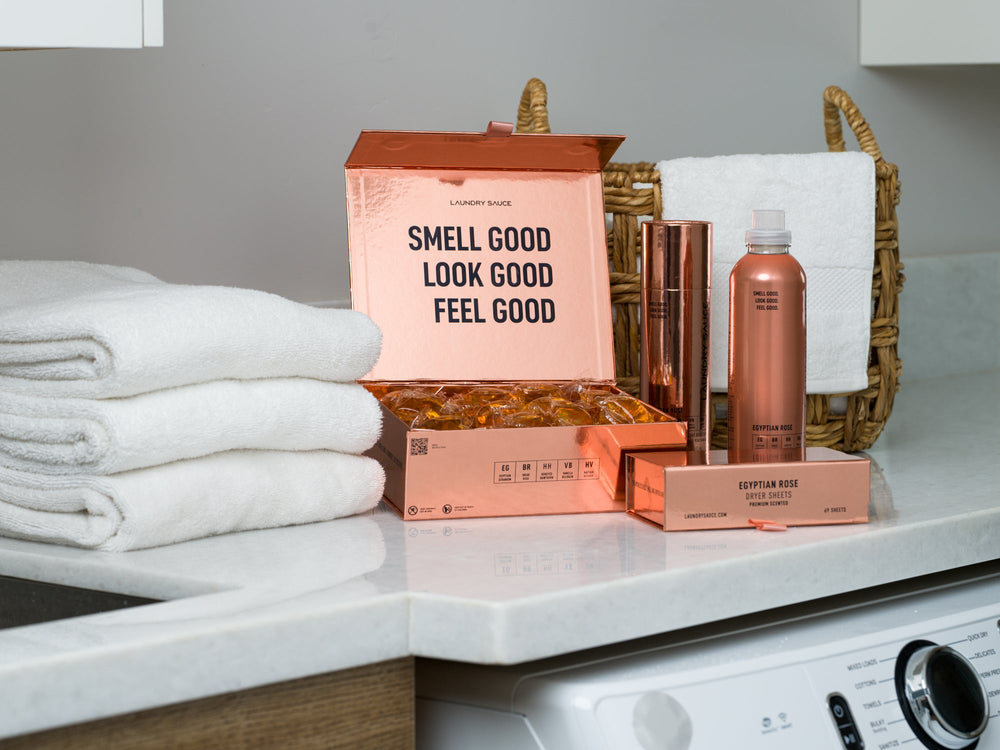
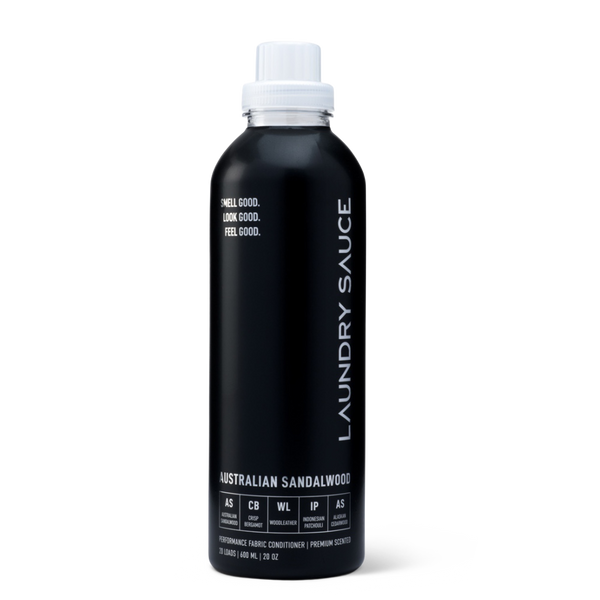
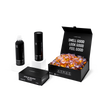
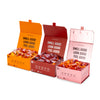
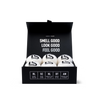
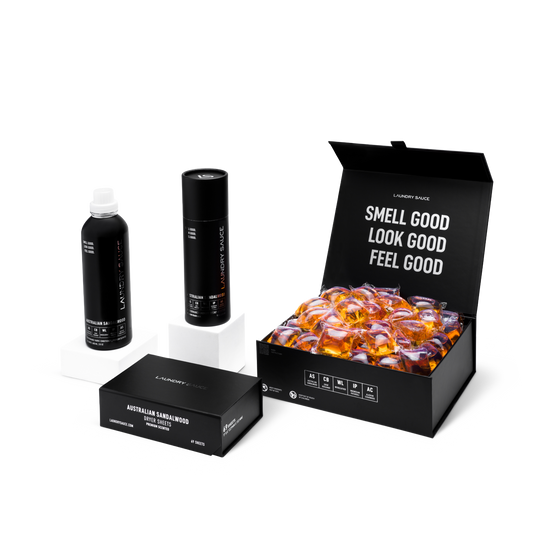
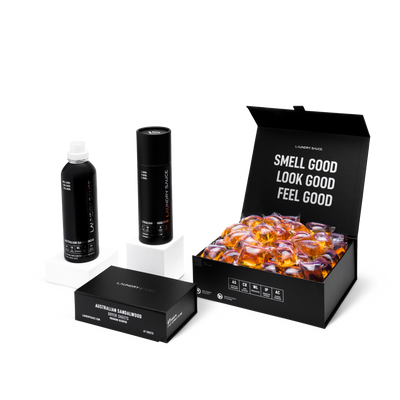
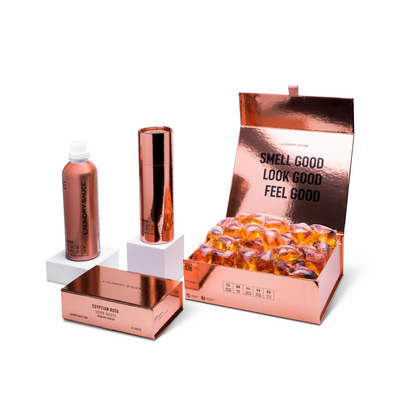
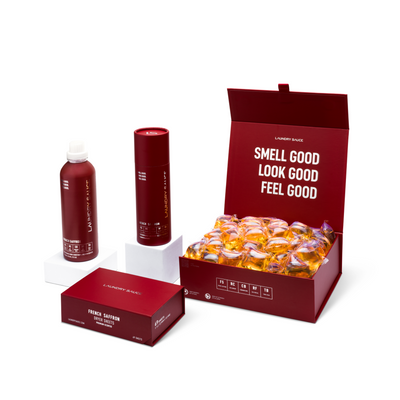
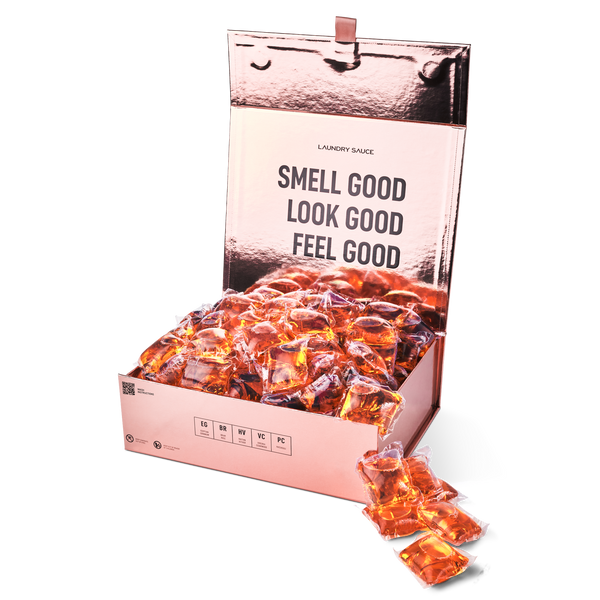
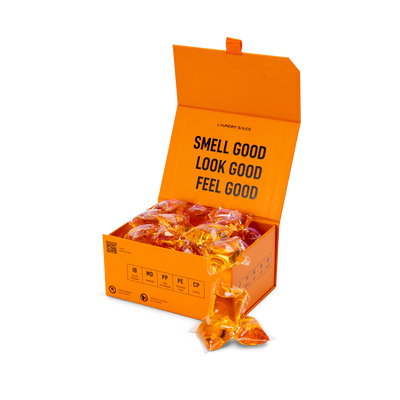
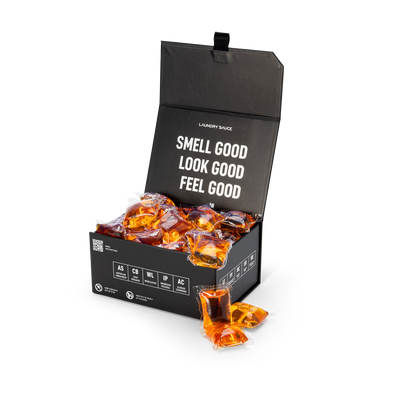
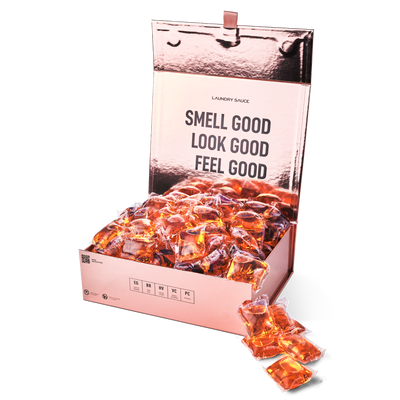
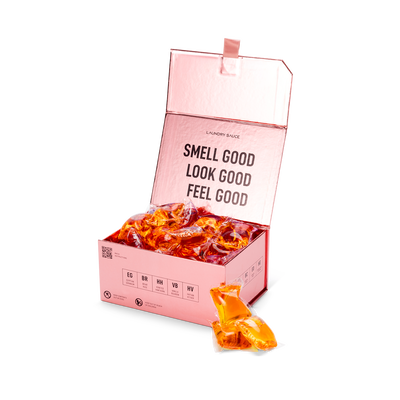
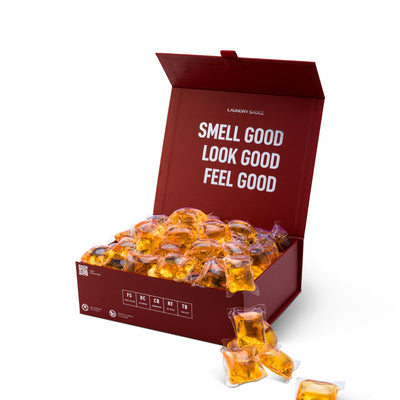
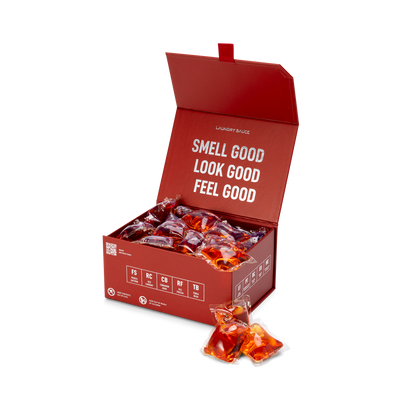
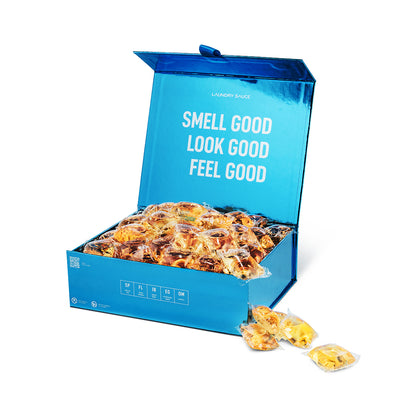
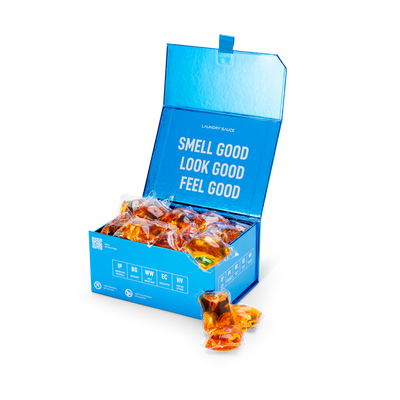
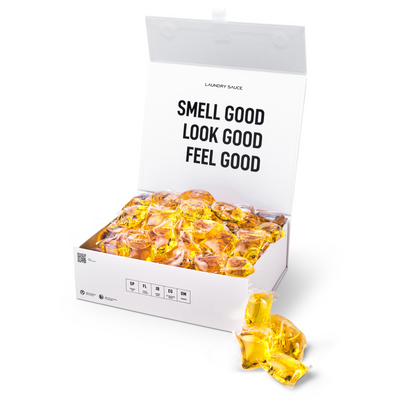
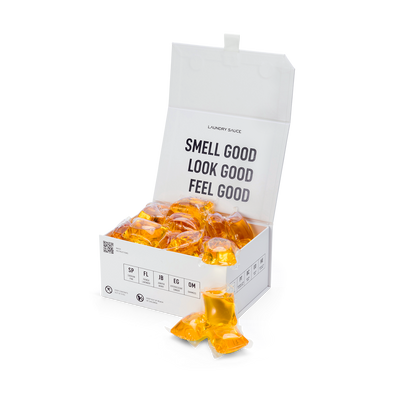
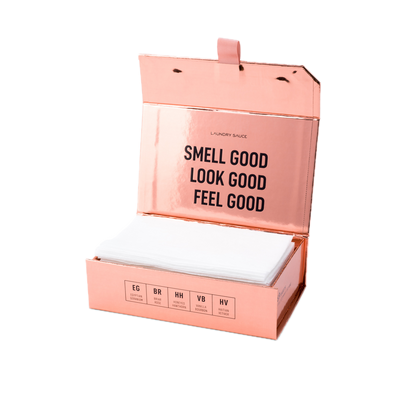
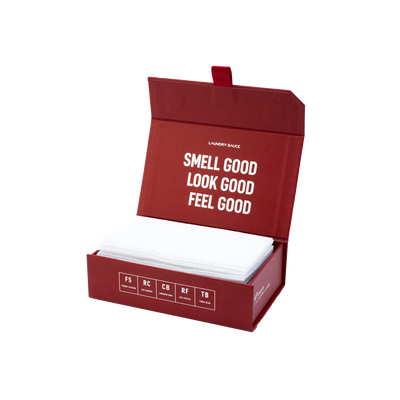
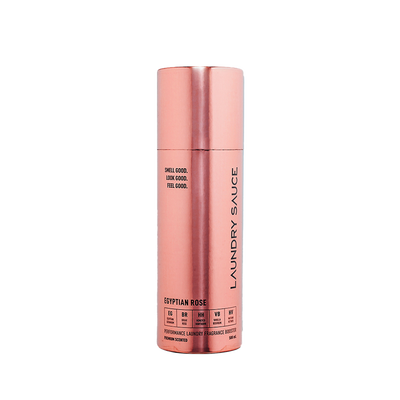
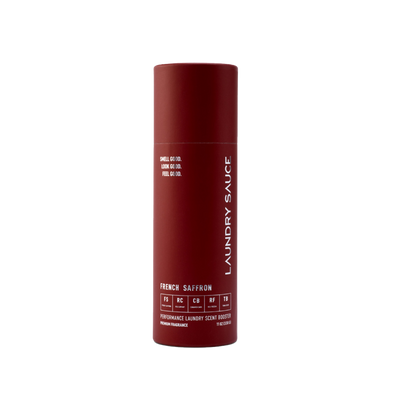
This is where detergent choice matters. Laundry Sauce pods create a clean baseline by using enzymes to break down sweat proteins and oils so they rinse away fully. When you do need to sanitize, those extra steps work as intended.
How Often Different Items Actually Need Sanitizing
Here’s a handy checklist for stuff that tends to get extra dirty.
Towels: Sanitize occasionally, especially if they smell musty even after washing. Damp fabric is bacteria’s favorite environment.
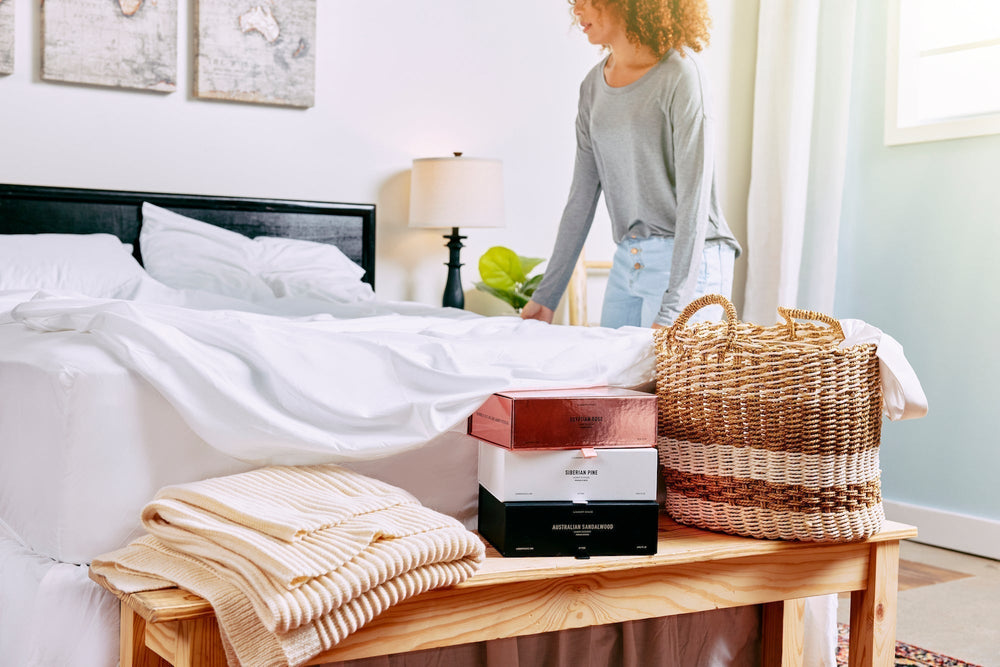
Sheets & Pillowcases: Worth sanitizing during illness, hot weather, or heavy sweating. Otherwise, regular washing does the job.
Workout Clothes: Sanitize only when odor sticks around after a normal wash. If they still smell sweaty while clean, that’s your cue.
Underwear & Socks: Usually don’t need sanitizing. A proper wash with an enzyme-based detergent is enough unless illness is involved.
Pet Bedding: Sanitize every 3–4 weeks, and immediately after accidents, illness, or parasite treatment.
Don’t Turn Laundry Into a Science Experiment
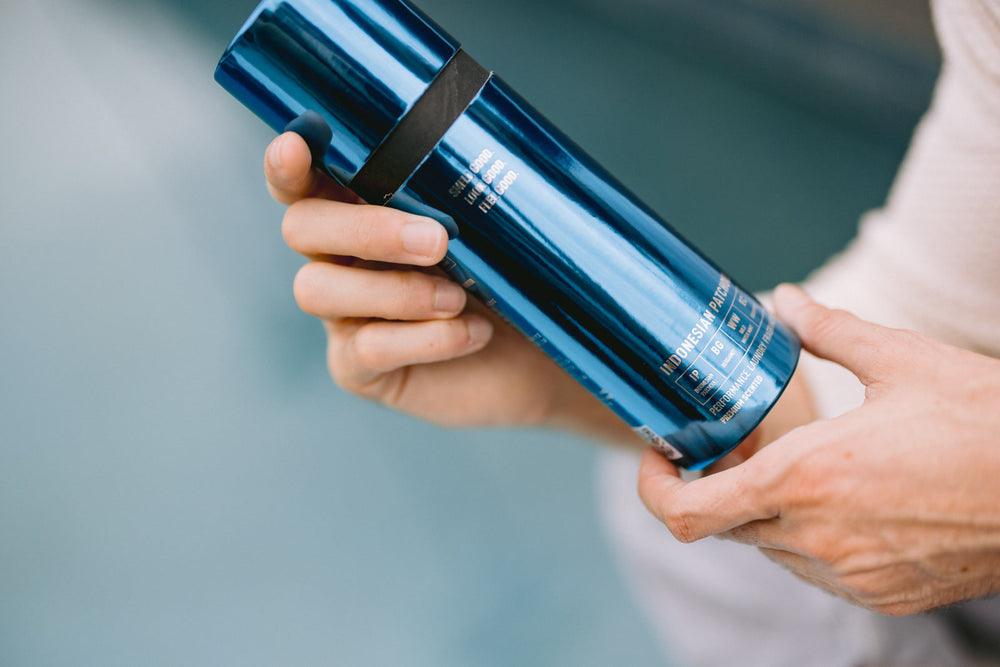
Most of the time, clean clothes come from good fundamentals: enough space in the drum, proper detergent, and full rinsing. Laundry Sauce handles the heavy lifting there—keeping fabrics clean, residue-free, and less hospitable to the things that cause odor and buildup in the first place.
Sanitizing is a tool. Use it when it makes sense. Respect the care label. Let your laundry detergent do its job. The goal isn’t sterile clothes. It’s clothes that feel good to wear and last long enough to justify the effort.