





 Shop All










Duvet covers have an annoying ability to become a tangled, inside-out mess somewhere between the washing machine and putting them back on the bed.
They're also one of the hardest-working fabrics in your house. Night after night, they collect body oils, sweat, skincare products, pet hair, and whatever crumbs find their way into bed. Yet most people wash them far less frequently than the sheets underneath.
Washing a duvet cover isn't rocket science. A few small adjustments can help it come out cleaner, smell fresher, and avoid looking like it lost a fight with your washing machine.
How to Prep Your Duvet Cover for the Washer
First, turn the duvet cover inside out. It helps protect the outer fabric, especially if it's colored, patterned, or made from a more delicate material.
Next, zip or button it closed. Otherwise, there's a decent chance it'll spend the wash cycle swallowing pillowcases and fitted sheets whole. Laundry has enough mysteries already.
Take a quick look for stains while you're at it. Makeup, coffee, or that suspicious splash from breakfast in bed are all easier to deal with before they go through the wash.
Finally, avoid throwing it in with towels or a week's worth of jeans. Duvet covers are big enough to dominate a load all by themselves. Giving them room to move helps them get cleaner and rinse more thoroughly.
How to Wash a Duvet Cover
The care tag always gets the final say, but most duvet covers follow the same basic playbook:
- Wash in cold water
- Use a gentle or normal cycle
- Don't overload the machine
- Use an enzyme-based detergent like Laundry Sauce to remove body oils and everyday buildup
Every night, duvet covers collect sweat, skincare, body oils, hair products, and all the invisible stuff that comes with being human. Eventually that buildup leaves bedding feeling heavier and duller.
Your laundry detergent should remove all of that without being overly harsh on the fabric. It's one of those things you don't notice immediately, but you definitely notice when it isn't happening.
One more thing: Resist the urge to cram the washer full. Bedding needs room to move. If your duvet cover is packed into the drum, water and detergent can't circulate properly.
No matter what your care tag says, these must-haves keep your clothes looking and smelling their best—minus the guesswork.
How to Dry a Duvet Cover
Drying is where many duvet covers go sideways. High heat can shrink natural fibers, fade colors, and leave you with a bundle of twisted fabric that managed to tie itself into a knot.
A few small adjustments help.
- Use a low or medium heat setting instead of cranking the dryer to maximum. It's gentler on the fabric and helps preserve both the feel of the bedding and the fragrance left behind by your detergent.
- Before you toss it in, give the duvet cover a good shake. It sounds overly simple, but it helps prevent the fabric from bunching together.
- Wool dryer balls are another easy upgrade. They keep bedding separated as it tumbles, allowing warm air to circulate more evenly. That means shorter drying times, fewer wrinkles, and less chance of discovering one mysteriously damp corner after an hour in the dryer.
Once it's dry, don't leave it sitting there until tomorrow morning. Fold it—or better yet, put it back on the bed—while it's still warm. Wrinkles are much easier to prevent than convince into leaving later.
How to Keep Your Duvet Cover Fresh Between Washes
You don't need to wash your duvet cover every weekend to keep it feeling clean. A few small habits can stretch the time between washes without sacrificing freshness.
Use a Fabric Refresher Spray
Sometimes your duvet cover isn't dirty. It just doesn't smell like laundry day anymore.
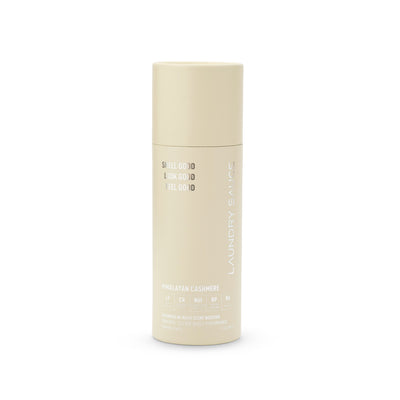
That's where the Laundry Sauce fabric refresher spray earns its spot. It helps eliminate lingering odors, reduce static, and release light wrinkles without sending your duvet cover back through another wash cycle.
Since it’s infused with the same premium fragrances as our laundry pods, it's an easy way to bring back that freshly-laundered feeling between washes without creating more work for yourself.
Wash Your Sheets Regularly
Your top sheet does a lot of the heavy lifting. Keeping it clean means less sweat and body oil make their way to the duvet cover in the first place.
Don't Bring the Whole Day to Bed
If you've spent the afternoon at the beach, the gym, or covered yourself in enough sunscreen to survive a solar eclipse, a quick shower before bed is doing your bedding a favor.
Let Your Bed Air Out
Making the bed immediately might look satisfying. But giving it ten or fifteen minutes to breathe first lets moisture escape instead of trapping it under neatly arranged blankets all day.
Common Questions About Washing Duvet Covers
How Often Should I Wash My Duvet Cover?
Every two to four weeks is a good rule for most households. If you sweat heavily, sleep with pets, have allergies, or spend a lot of time in bed, washing every one to two weeks may be a better idea.
Can Duvet Covers Go in the Dryer?
Usually, yes. Most duvet covers can be tumble dried, but low or medium heat is generally the safest option. Always check the care label first.
Can I Use Fabric Softener on My Duvet Cover?
In most cases, yes. Fabric softener can help keep duvet covers feeling softer and more comfortable, especially if they're made from cotton. Just follow the product directions and avoid using more than recommended.
Can I Use Scent Boosters on My Duvet Cover?
Absolutely. Duvet covers are one of the best places to use scent boosters because they tend to hold fragrance well.
Make Laundry Day Worth Climbing Into Bed For
Few things are more satisfying than climbing into bed with freshly washed bedding. The fabric feels cooler, the room smells cleaner, and suddenly going to bed a little earlier doesn't sound like such a bad idea.
Premium laundry pods, thoughtful drying, and a few habits between washes can keep your duvet cover looking (and smelling) that way long after laundry day is over.


