
































If your clothes come out of the wash feeling stiff or dull, there’s a strong chance the problem isn’t you. It’s your water.
Hard water is one of those invisible household variables that quietly sabotages laundry day. You don’t see it. You don’t smell it. But you absolutely feel it in crunchy towels, faded darks, and dingy whites.
Hotels, laundromats, and professional wash houses engineer around water quality. At home, most of us deal with whatever comes out of the tap and hope for the best.
The good news: Once you understand what hard water is and how it messes with your clothes, it’s surprisingly easy to work around (without turning your laundry room into a science project).
Here’s the playbook.
What Does ‘Hard Water’ Actually Mean?
Hard water means your water contains a high concentration of dissolved minerals, primarily calcium and magnesium. As water moves through underground rock and soil, it picks these minerals up naturally. Some regions have soft water. Some have water that could technically double as a mineral supplement.
Hard water isn’t dangerous to drink, but it is deeply annoying for cleaning.
Those minerals don’t dissolve away harmlessly. They bind to soap and detergent, forming residue that sticks to fabric fibers, washer drums, and plumbing. Instead of helping your detergent clean more effectively, hard water quietly cancels part of it out.
4 Ways Hard Water Affects Your Laundry
Hard water shows up in laundry in subtle but cumulative ways.
1. Clothes Feel Stiff and Rough
Mineral deposits coat fabric fibers, reducing flexibility and absorbency. Towels start feeling like exfoliation tools. Tees lose their softness faster than they should.
2. Colors Fade and Whites Turn Dull
Minerals interfere with your laundry detergent’s ability to fully rinse out soil and oils. Over time, fabrics lose brightness and clarity, especially darks and crisp whites.
3. Detergent Doesn’t Perform as Well
Hard water neutralizes some of the cleaning agents in laundry detergent before they ever touch your clothes. You may find yourself using more soap just to get the same mediocre results, which ironically creates more residue buildup.
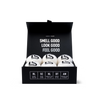
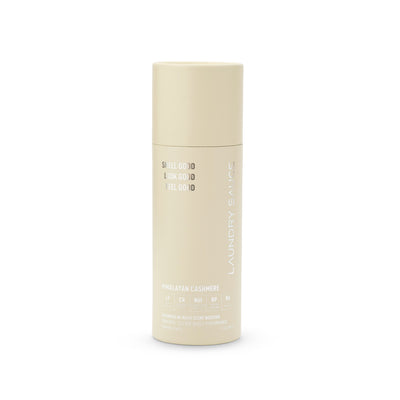
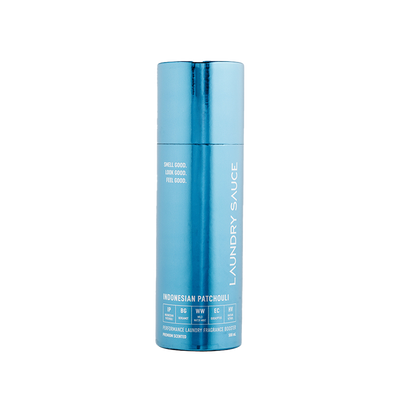
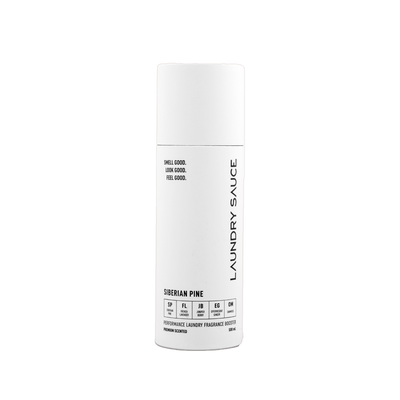
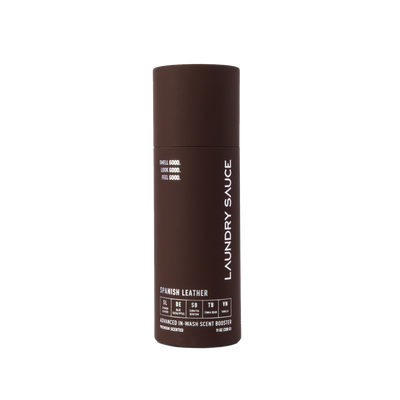
No matter what your care tag says, these must-haves keep your clothes looking and smelling their best—minus the guesswork.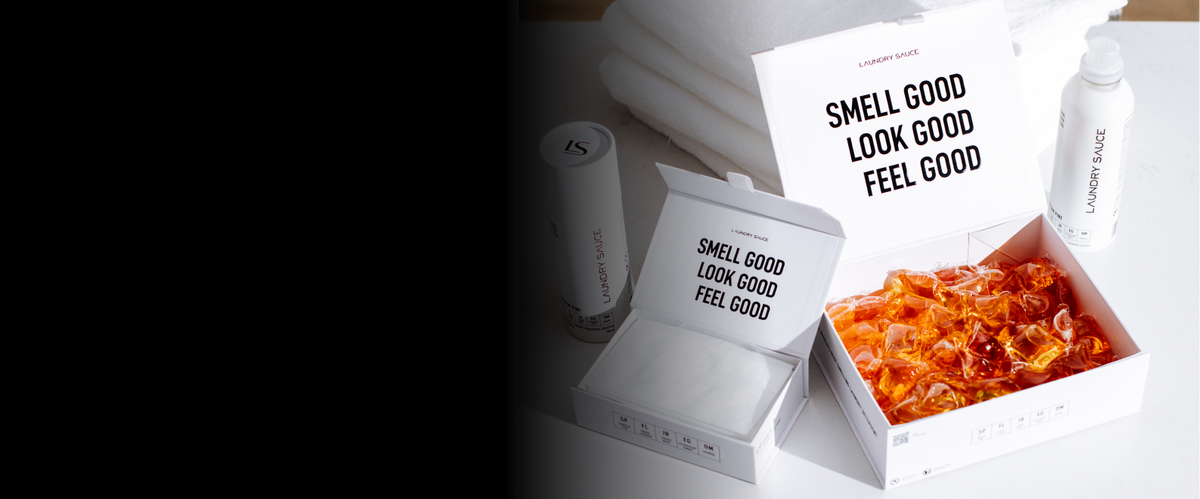
3. Residue Builds Up In Your Washing Machine
Minerals and leftover detergent cling to the washer drum and internal components, which can affect long-term performance and cleanliness.
How to Tell If You Have Hard Water
You don’t need a lab coat for this. Common signs include:
- White chalky residue on faucets or showerheads
- Soap that doesn’t lather well
- Glassware that dries with cloudy spots
- Towels that feel stiff no matter what you do
If you want confirmation, inexpensive water hardness test strips are easy to find and take about thirty seconds to use. Many municipalities also publish local water hardness data online.
What Type of Laundry Detergent Works Best in Hard Water?
Hard water demands better detergent, not more detergent. Mineral-heavy water neutralizes part of your soap before it ever reaches your clothes, which is why loads can come out stiff, dull, or vaguely not-clean despite using “good” detergent.
Look for laundry detergents with enzymes that actively break down sweat proteins, body oils, and residue instead of relying on water chemistry alone. Enzymes digest the stuff that causes stiffness and odor at a molecular level, keeping fabrics softer, cleaner, and more breathable over time.
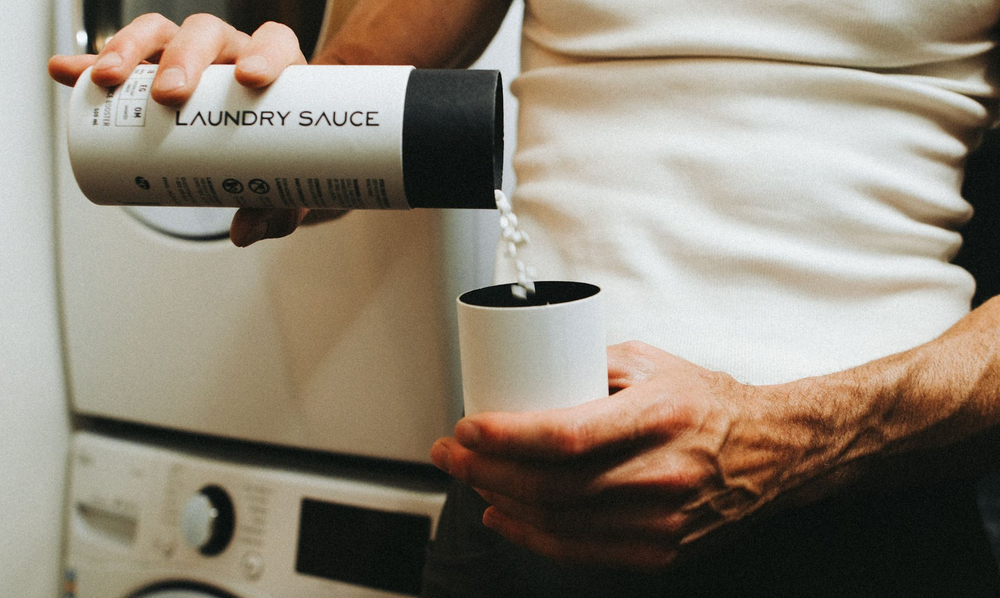
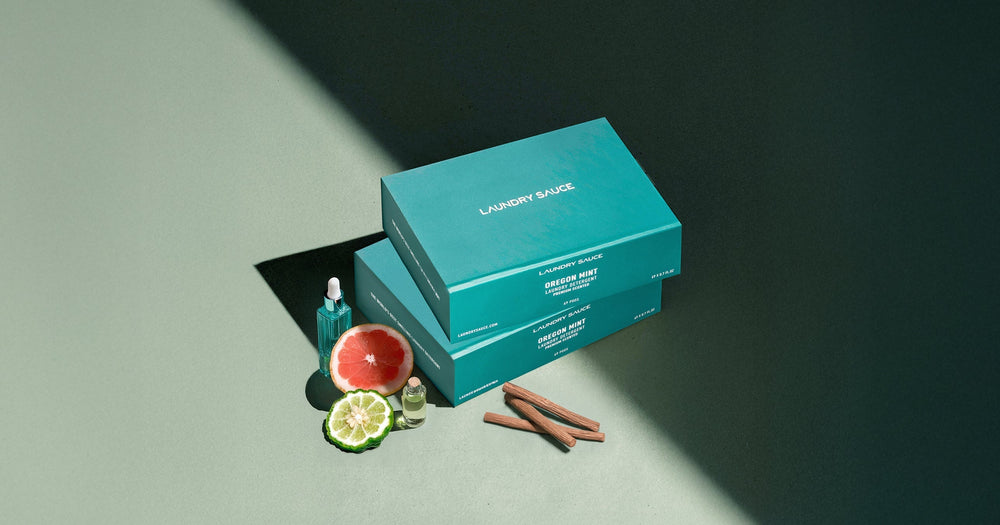
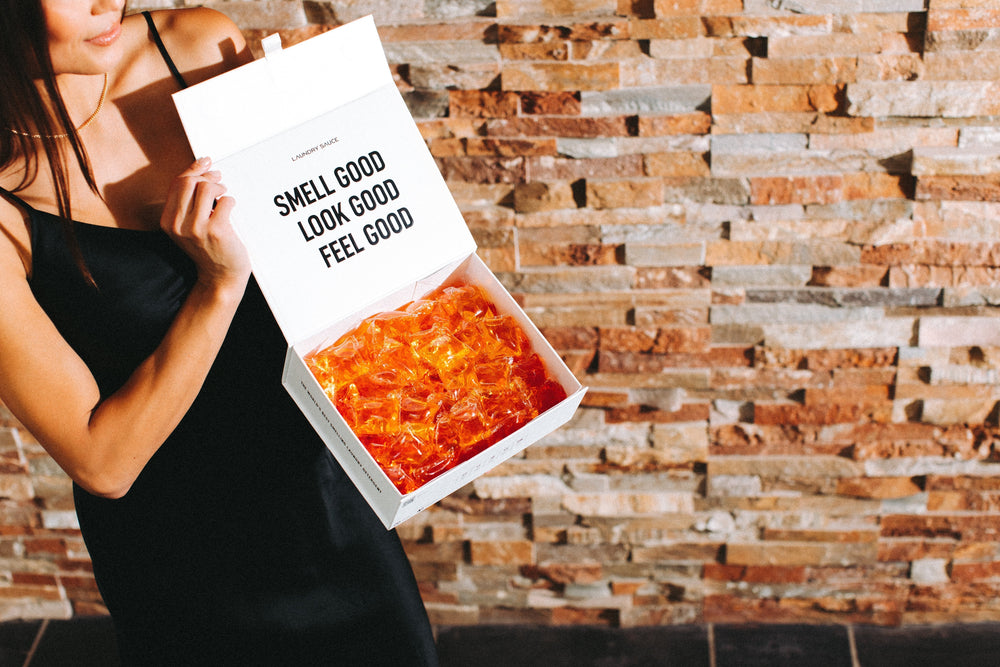
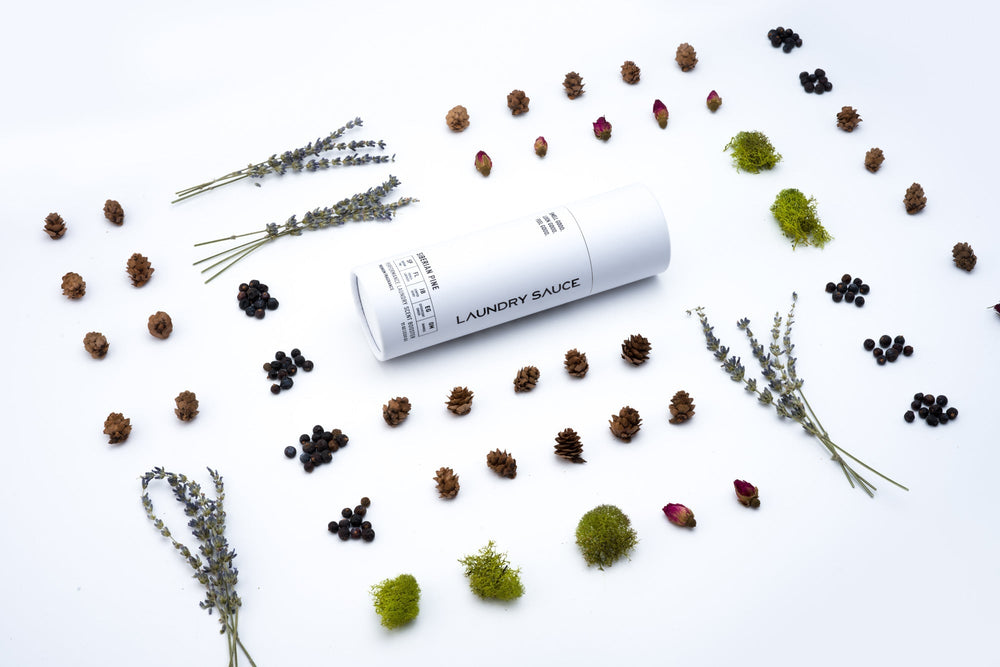
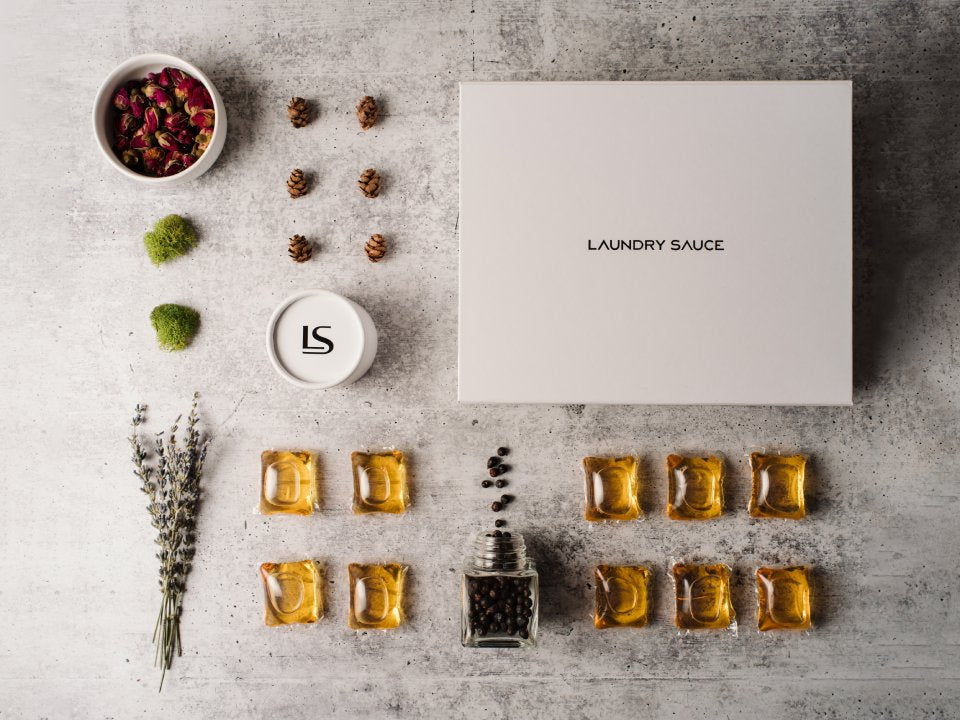
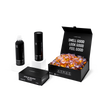
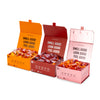
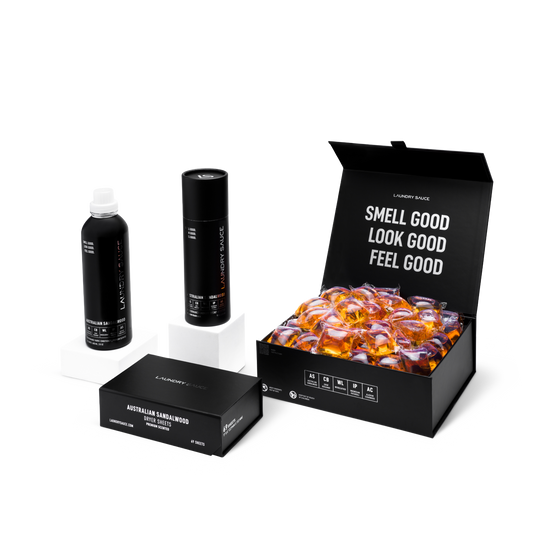
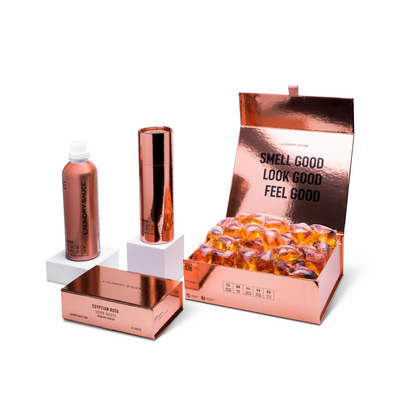
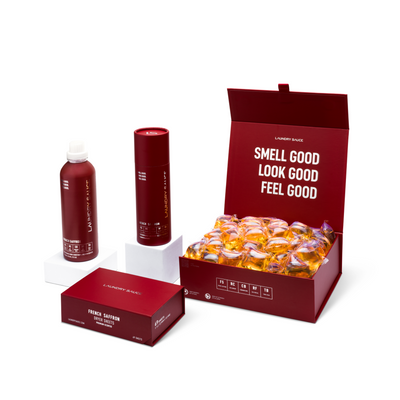
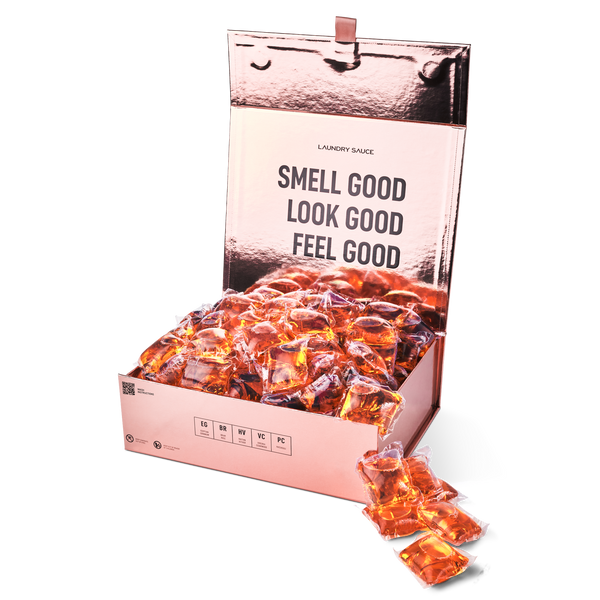
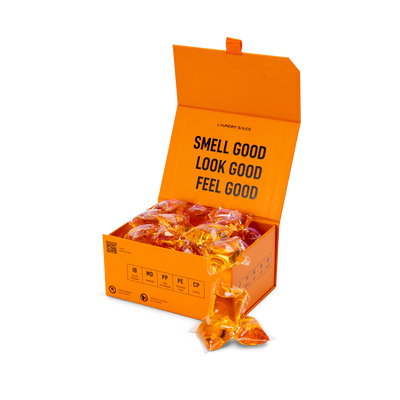
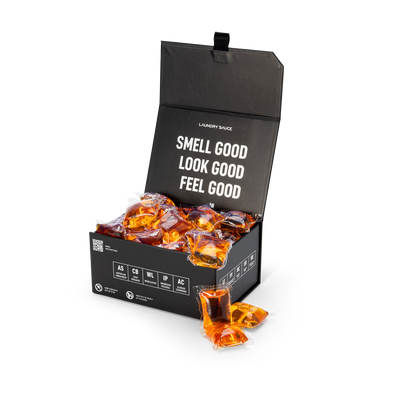
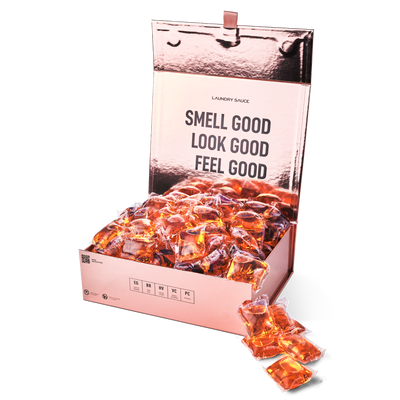
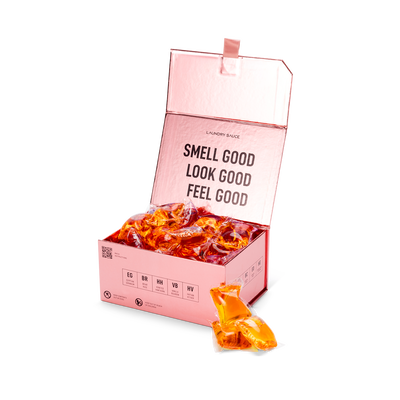
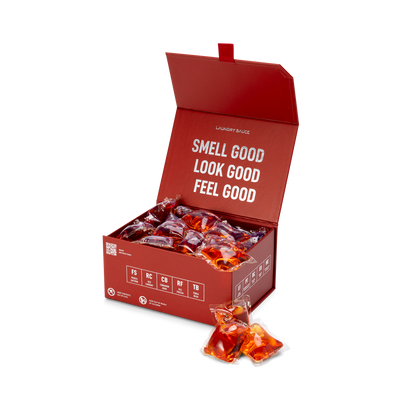
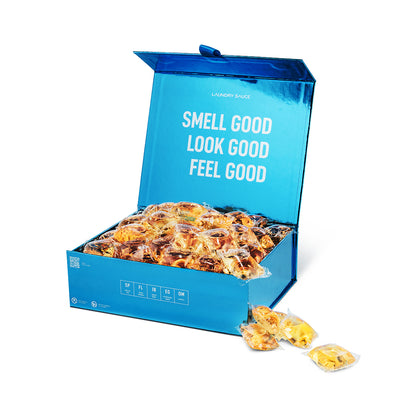
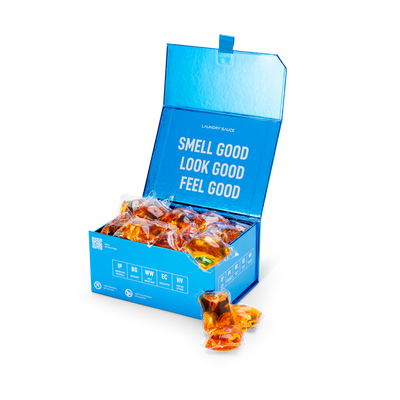
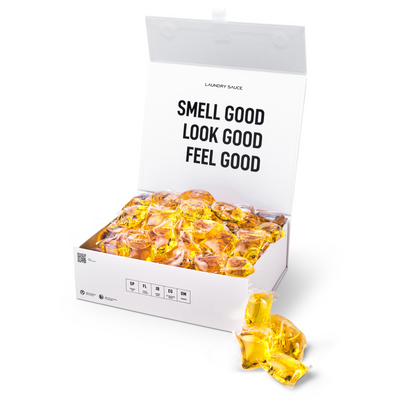
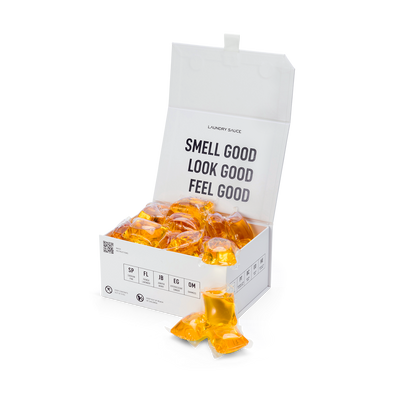
Pre-measured laundry pods also help prevent overdosing, especially in high-efficiency machines that use less water and give excess detergent fewer chances to rinse out properly. That’s where Laundry Sauce pods earn their keep.
Our enzyme-based formula is tested to perform in hard water conditions, so it keeps cleaning effectively even when mineral content is working against you.
How to Improve Laundry Results in Hard Water
You don’t need to remodel your house to get better laundry outcomes. Here are a few smart adjustments that go a long way:
Use Warm or Hot Water When Fabric Allows
Heat helps dissolve oils and residue more effectively than cold water alone.
Avoid Fabric Softener
Softener coats fibers with waxy residue that hard water already encourages. Vinegar in the rinse cycle is a cleaner alternative if softness is the goal.
Don’t Overdose Detergent
Use less than you think you need, especially with concentrated formulas or pods.
Run Occasional Vinegar Maintenance Washes
A monthly hot wash with white vinegar (no detergent) helps dissolve mineral buildup inside the machine and fabrics.
Consider a Water Softener Additive
Products like Calgon can bind minerals before they interfere with detergent performance.
Install a Whole-Home Water Softener
Not necessary for most people, but undeniably effective if you’re dealing with extreme hardness.
Hard Water Doesn’t Have to Win
Hard water may stack the odds against your laundry, but it doesn’t get the final say. With smarter washing habits and the right detergent, you can keep fabrics clean, soft, and pleasant to wear.
Washing with Laundry Sauce pods helps remove the guesswork, delivers enzyme-powered cleaning that performs in hard water, and leaves clothes smelling more like a five-star stay than a forgotten utility room. Consider it a small upgrade that pays off every single load.